Coastal Stainless Steel Sculpture Maintenance Checklist for Resorts and Public Plazas
Salt air does not make stainless steel impossible, but it does make material grade, surface finish, drainage, cleaning access and handover records visible project decisions.

A stainless steel sculpture for a coastal resort, marina, waterfront plaza or reflecting pool is not finished when it is installed. Salt deposits, wind, heat, irrigation, public touch, water marks and cleaning chemicals can all change how the surface ages.
This guide is written for buyers who want fewer surprises after opening day. It explains the practical questions that should be reviewed before fabrication: stainless grade, finish direction, drainage, base access, cleaning responsibility and handover records. It is planning guidance, not a chemical maintenance specification. Final cleaning products and procedures should be confirmed for the selected material, finish, site exposure and local maintenance team.
Select grade with exposure in mind
316L is often preferred for coastal and public exterior work, but no stainless route removes the need for cleaning and inspection.
Design around water and touch
Drainage, splash, irrigation, fingerprints, hand contact and dust should influence base details and surface finish.
Handover the maintenance logic
Installation photos, finish notes, cleaning limits and inspection points should be kept with the project record.
1. Maintenance starts before material selection
Many buyers ask whether stainless steel is suitable for a coastal sculpture. The better question is what exposure the artwork will receive and how it will be maintained. A sculpture near a calm garden pond is different from a seaside arrival court exposed to salt wind. A shaded hotel porte-cochere is different from a public plaza with constant fingerprints, sprinkler water and dust.
For early planning, send the sculpture studio the site distance from seawater, prevailing wind direction, nearby pool or fountain details, irrigation pattern, cleaning access, public-touch zones and expected opening schedule. Those facts help determine whether 316L stainless steel, brushed finish, mirror finish or a hybrid route should be reviewed.
2. 316L is a strong route, not a maintenance exemption
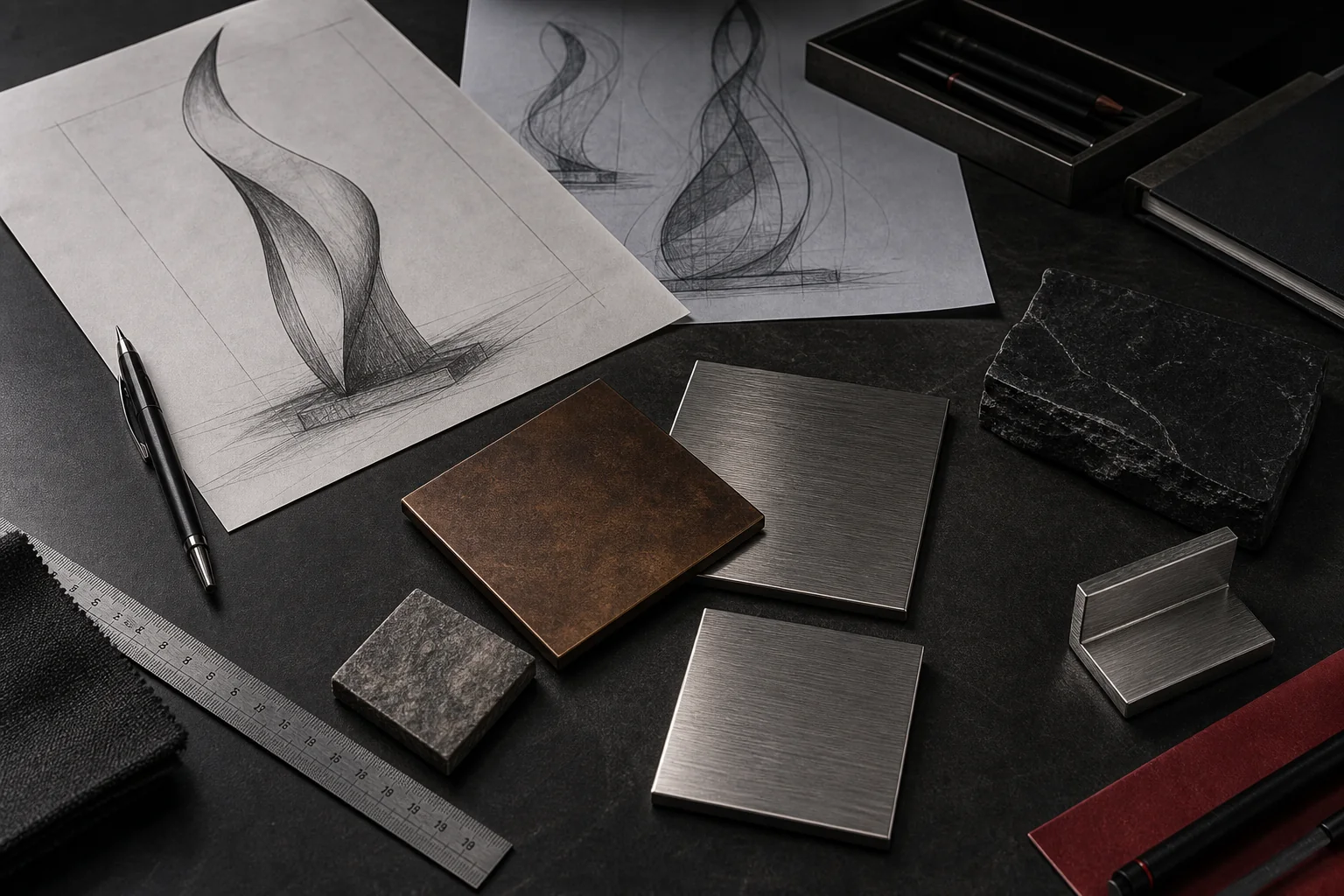
For coastal sculpture, 316L stainless steel is commonly discussed because it has better resistance to chloride exposure than 304 stainless steel. That does not make it maintenance-free. Salt deposits can sit on the surface. Standing water can collect around the base. Incorrect cleaning tools can scratch the finish. Aggressive chemicals from pool or landscape maintenance can create avoidable surface problems.
The buyer should ask the supplier to state the proposed stainless grade, panel or member thickness logic, weld and polish route, surface direction, and any special protection needed during shipping and installation. The goal is not to make the quote longer; it is to prevent a material decision from being treated like a decorative label.
3. Brushed and mirror finishes age differently on site
Mirror stainless steel can be visually powerful in a resort or public plaza, but it makes fingerprints, hard-water marks and scratches more visible. Brushed stainless steel can feel calmer, especially for large surfaces, but grain direction and repair method need discipline. Mixed brush directions or local polishing patches can be noticeable under strong sun or night lighting.
Before fabrication, decide which surfaces are likely to be touched, which are near water, which are visible at eye level, and which receive strong grazing light. These zones may require different finish protection, access logic or maintenance notes.
4. Base drainage matters more than many renders show
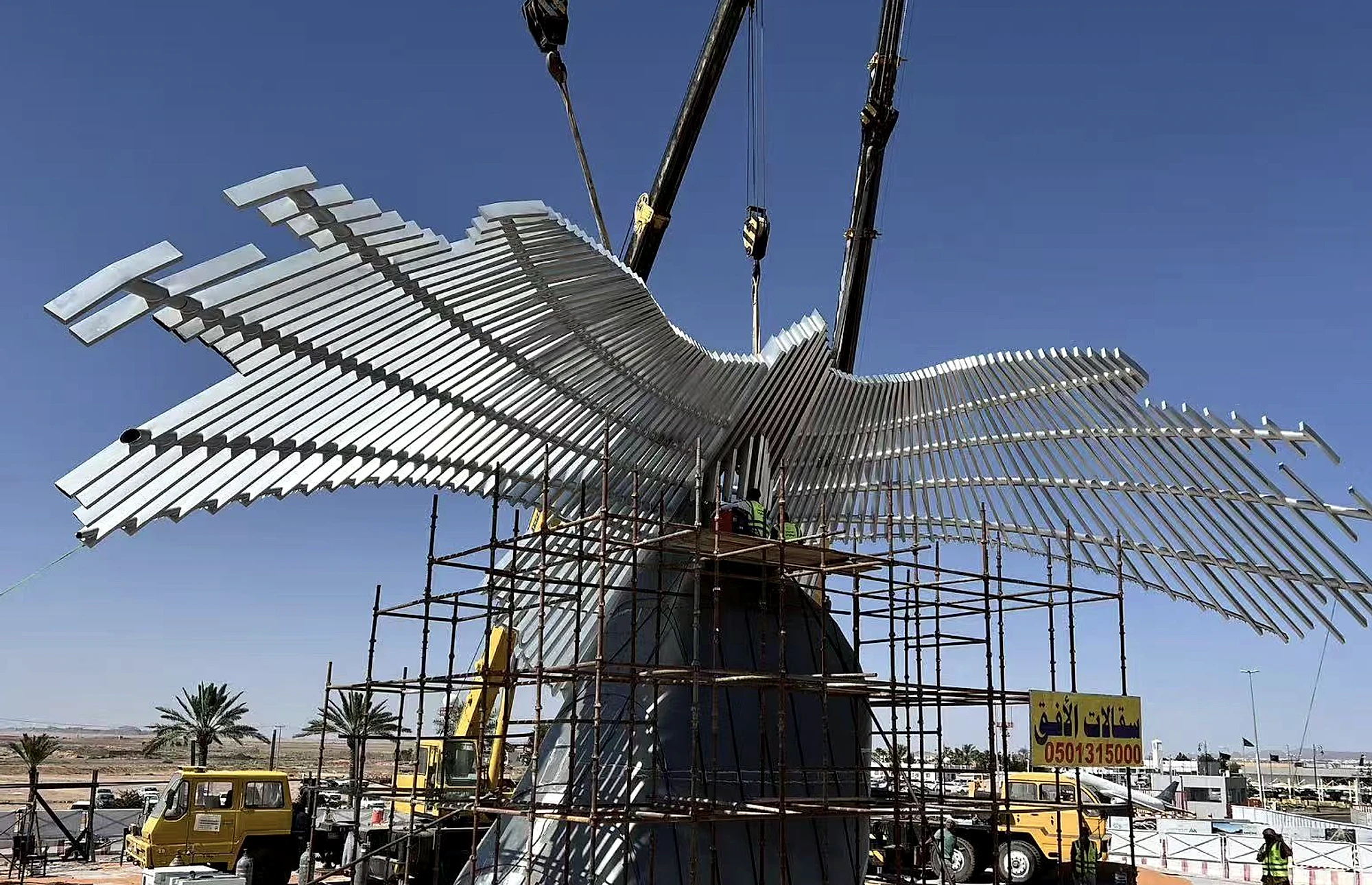
Coastal stainless steel sculpture often fails visually at the base first. Splash water, irrigation, wet paving, pool edges, trapped sand, leaf deposits and cleaning runoff collect where the sculpture meets the site. If the base is recessed, drainage and inspection access should be discussed before the slab, plinth or water feature basin is finished.
For water-feature sculpture, ask where standing water can form, how cleaning teams reach the hidden surfaces, whether dissimilar materials need isolation, and how waterproofing works around anchors or base plates. A clean-looking detail is only successful if it can be inspected and maintained after the opening.

5. Public touch points should be named, not guessed
Hotel arrivals, boardwalks, waterfront plazas and public art sites invite hand contact. Visitors may lean on a low wing, touch a polished edge, sit near the base or photograph the work from one close angle. These behaviors affect finish choice, edge detailing and cleaning schedule.
Instead of saying the sculpture is "for outdoor use," a better project brief identifies public-touch zones and maintenance responsibilities. The supplier can then discuss smoother edges, hidden fixings, repair expectations, more durable finish directions and handover notes for the owner's team.
6. Use this maintenance planning table before contract
When comparing sculpture suppliers, ask each team to answer the same maintenance questions. It makes the quote more useful and gives the hotel, resort or public-space operator a clearer handover path.
| Maintenance issue | What to confirm | Why it matters |
|---|---|---|
| Stainless grade | Whether 316L, 304 or another route is proposed, and why it fits the exposure. | Coastal salt air and water-feature conditions should influence material choice before price comparison. |
| Surface finish | Brushed, mirror, bead-blasted or mixed finish; grain direction; expected visible touch zones. | Finish route affects fingerprints, scratches, repairs, glare and night-light appearance. |
| Salt and dust deposits | Likely wind direction, cleaning access, maintenance interval and owner responsibility. | Deposits left on the surface can reduce visual quality and increase avoidable corrosion risk. |
| Water and drainage | Pool splash, irrigation, base drainage, waterproofing, standing water and hidden surfaces. | The base zone is often where maintenance difficulty becomes visible first. |
| Public touch | Edges, reachable surfaces, hand contact, seating behavior and tamper-resistant details. | Touchable zones may need different finish expectations and more frequent cleaning. |
| Handover records | Installation photos, finish notes, recommended cleaning limits and inspection points. | Records help operators maintain the sculpture after the project team leaves the site. |
7. The checklist buyers should send for review
A useful maintenance review brief is not complicated. It should show the real site conditions that change the stainless steel decision.
- Site location, distance from sea or salt water, and known salt-air or dust exposure.
- Whether the sculpture touches a reflecting pool, fountain, wet paving, irrigation zone or planter edge.
- Preferred stainless grade and finish, or permission for the studio to recommend a route.
- Photos showing public approach, hand-touch zones, viewing distance and night lighting direction.
- Base condition: recessed base, exposed plinth, stone cladding, pool basin, slab or landscape soil.
- Cleaning access: ladders, lifts, safe walking zones, drainage points and hidden surfaces.
- Local maintenance team responsibility, cleaning restrictions and chemical products already used on site.
- Required handover records: installation photos, finish notes, inspection points and owner maintenance schedule.
For material selection, compare the 316L stainless steel vs bronze vs stone guide. For water exposure, review the water feature sculpture material checklist. For execution planning, use the foundation and anchor checklist and the overseas installation checklist.
Frequently asked maintenance questions
Is 316L stainless steel maintenance-free in coastal sculpture projects?
No. 316L stainless steel is commonly selected for stronger coastal corrosion resistance than 304, but salt deposits, standing water, surface scratches, cleaning chemicals and nearby materials still need a planned maintenance route.
What should buyers confirm before ordering stainless steel sculpture for a seaside resort?
Confirm site distance from salt water, spray and irrigation exposure, preferred finish, drainage around the base, public touch points, cleaning access, lighting and water-feature interfaces, and who will keep handover records after installation.
Does mirror stainless steel need a different maintenance plan from brushed stainless steel?
Yes. Mirror finishes show fingerprints, water marks and scratches more easily, while brushed finishes need consistent grain direction and controlled cleaning to avoid visible patching. The finish route should be decided with maintenance expectations in mind.
Are the images in this guide completed project photography?
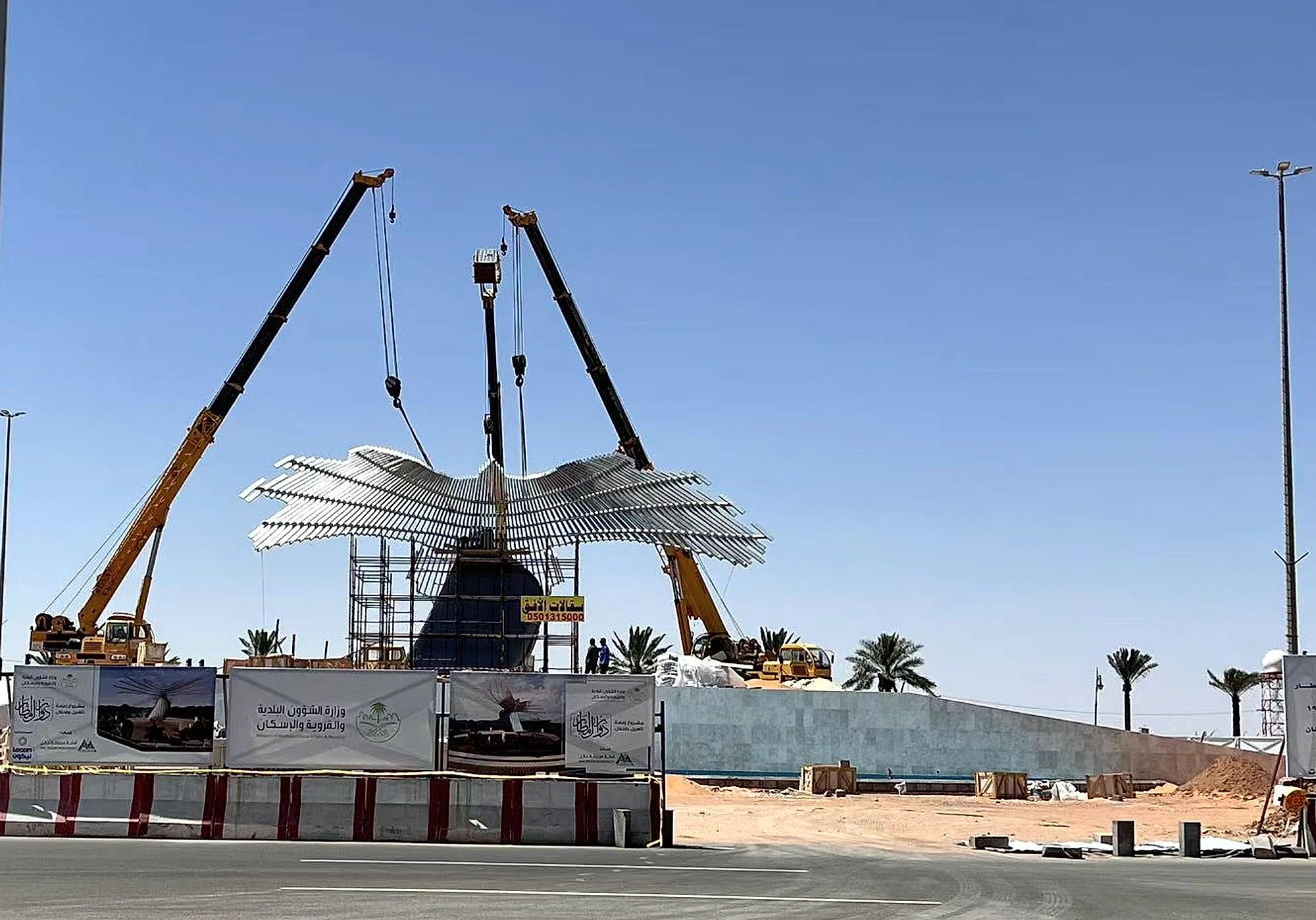
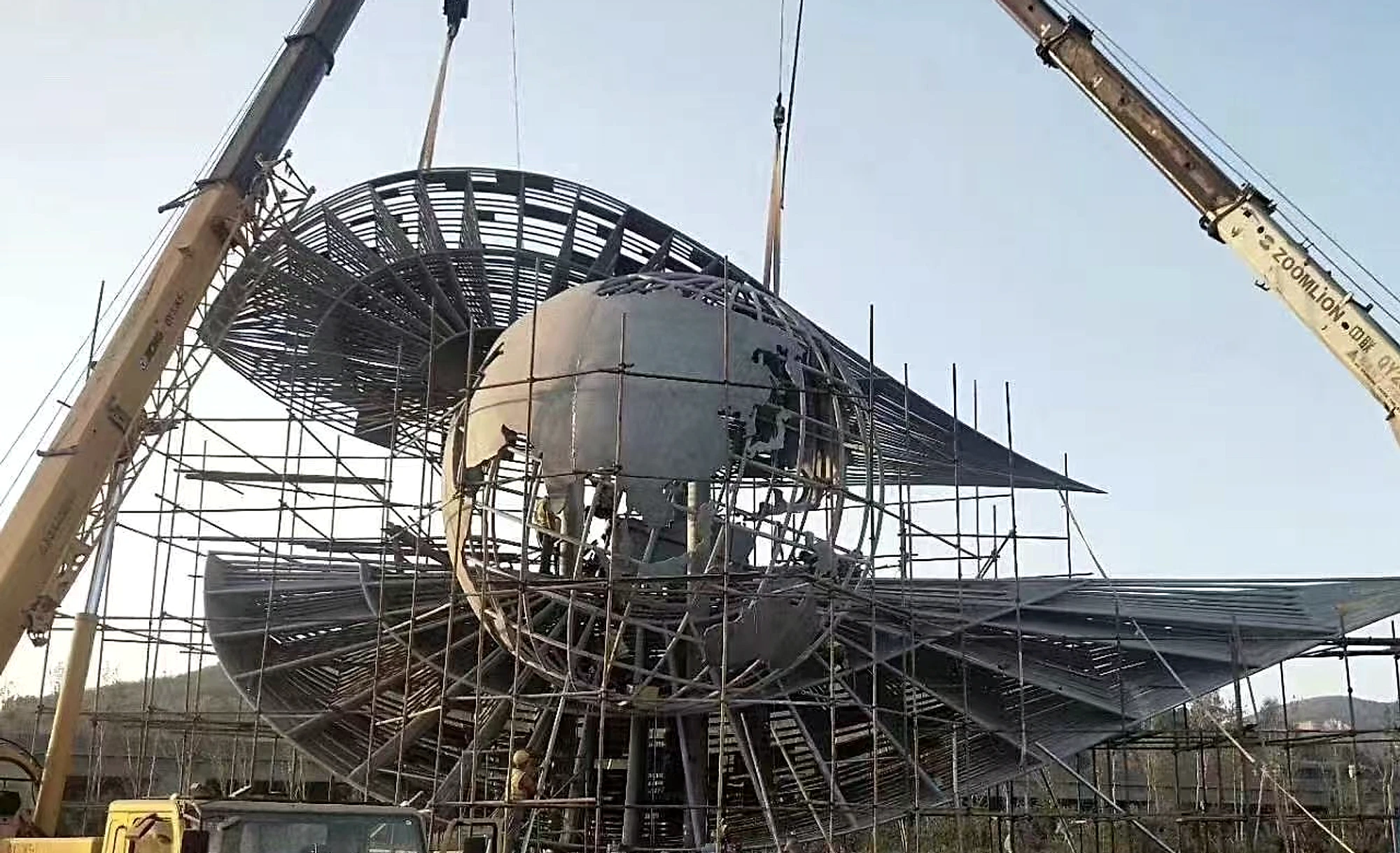
No. The images are labelled as material, engineering, workshop or verified construction-phase evidence. They are used to explain maintenance planning decisions, not to claim every image is a completed client project.
Review maintenance before production
Send the site photos, coastal exposure, water-feature details, intended scale, stainless finish direction, base condition and maintenance responsibility. WEIERYANG can review the sculpture-side grade, finish, drainage and handover assumptions before fabrication.