304 vs 316L Stainless Steel for Outdoor Sculpture
Use the site exposure to choose the grade. 304 can be considered for controlled inland conditions. 316L is usually the stronger starting point around coastal salt, pools, fountains and difficult maintenance access. Neither grade removes the need for drainage, clean fabrication and maintenance.
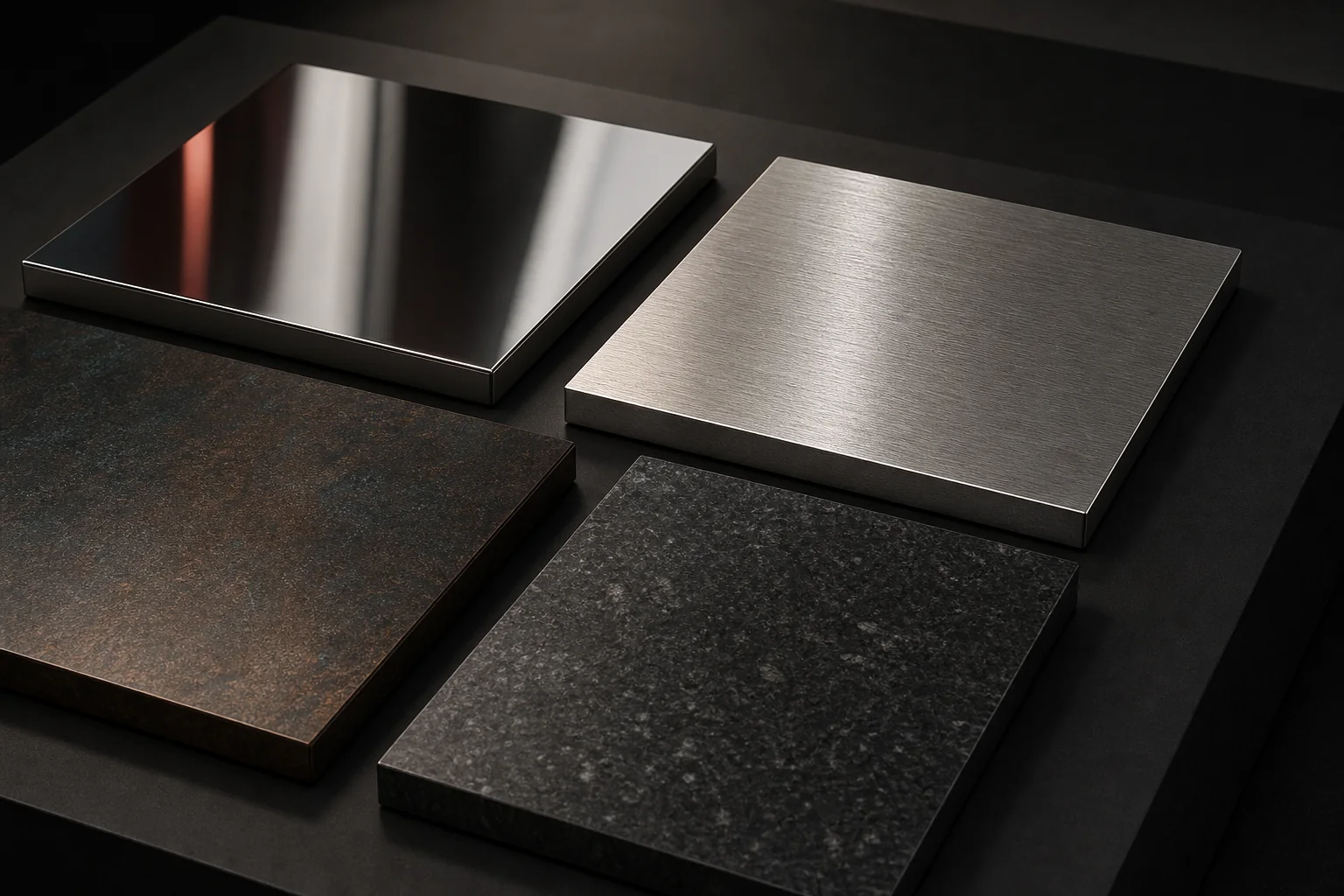
A quote that says only “stainless steel” is incomplete. For an outdoor sculpture, the buyer should know which grade is proposed, why it fits the site and what fabrication and maintenance assumptions sit behind that choice.
The difference matters most when chloride exposure enters the project: sea air, pool splash, fountain chemicals, irrigation, wet paving or deposits that are hard to clean. This guide is a project-screening tool, not a final engineering or corrosion specification.
Controlled inland exposure
May be considered where chloride exposure is low, drainage is clear and regular cleaning is practical.
More demanding chloride exposure
Commonly reviewed for coastal, poolside, water-feature and high-value public exterior work.
Do not approve by name alone
Put grade, finish, weld route, documentation and maintenance assumptions into the quotation.
1. What is the practical difference?
304 and 316L are both widely used austenitic stainless steels. The useful project distinction is that 316L is molybdenum-alloyed, which improves resistance to localised corrosion in chloride-bearing environments. The “L” identifies a low-carbon version commonly selected where welding is part of the fabrication route.
That does not mean the sculpture can be judged from grade alone. Surface roughness, weld finishing, iron contamination, water traps, joints, nearby materials and cleaning access can make a technically good alloy perform badly on site.
2. Use the site, not a generic rule
| Site condition | Starting point | What still needs checking |
|---|---|---|
| Dry inland landscape, away from salt sources | 304 may be reviewed alongside 316L. | Finish, rain washing, irrigation, dust, weld treatment and cleaning access. |
| Coastal hotel, marina or waterfront plaza | 316L is commonly the more defensible starting point. | Salt deposition, prevailing wind, finish smoothness, drainage and cleaning frequency. |
| Pool, fountain or reflecting-water edge | Review 316L and the actual water chemistry. | Chemical concentration, splash zone, hidden surfaces, base drainage and dissimilar metals. |
| Recessed base or difficult maintenance access | Choose the grade together with a better detail. | Standing water, crevices, inspection access and removable covers. |
| Severe chloride or chemical exposure | Do not assume 316L is sufficient. | Ask the project engineer or material specialist whether a higher-alloy route is needed. |
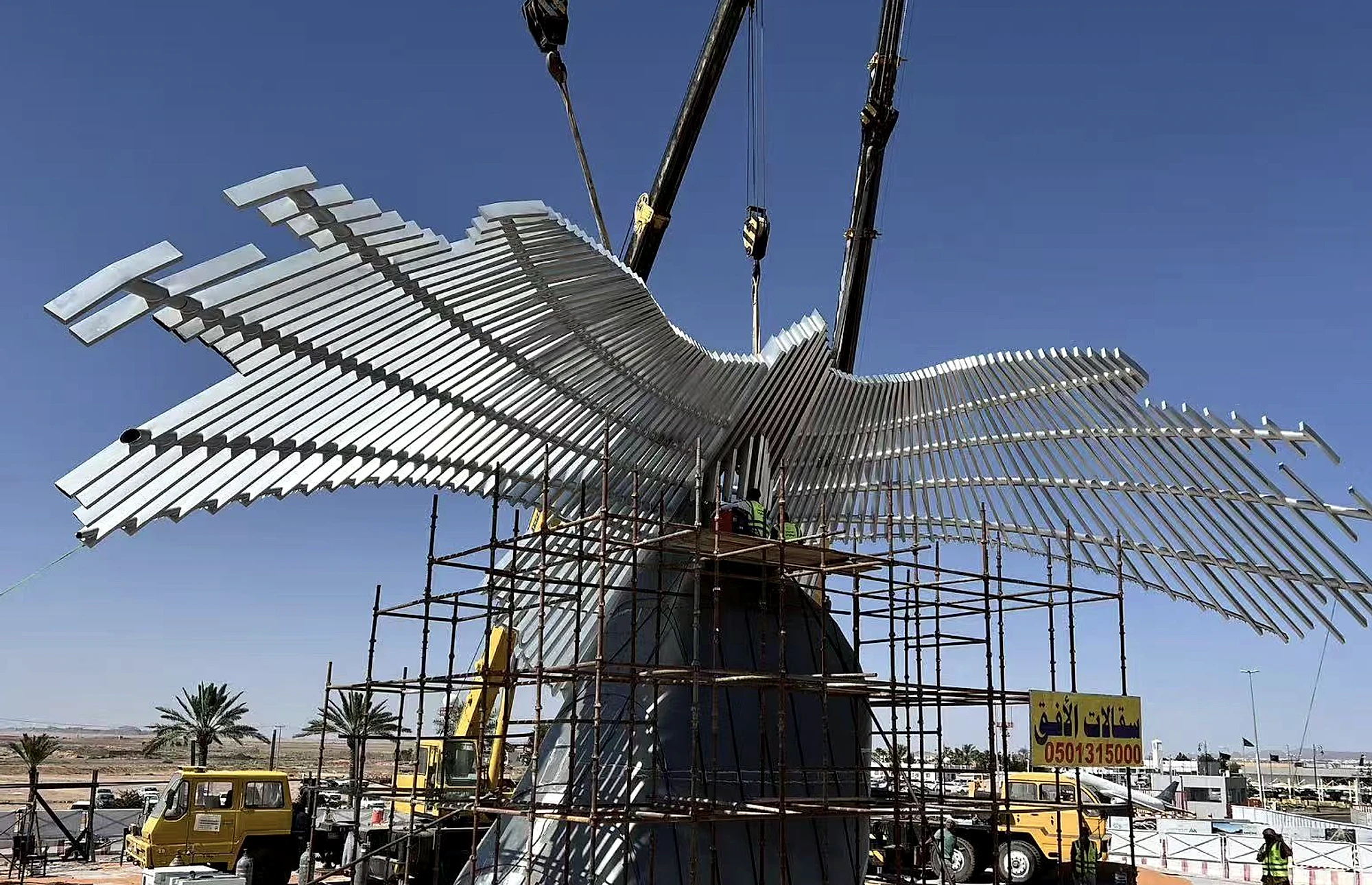
3. Finish and fabrication can change the result
A smooth, consistently finished surface retains fewer deposits than an irregular or poorly repaired surface. Brushed work needs a controlled grain direction. Mirror work needs disciplined weld and polish transitions. Carbon-steel contamination from workshop tools or site handling should be prevented.
Ask how weld heat tint will be treated, how repaired areas will match the approved sample, how the surface will be protected during packing and how site crews will avoid grinding dust or incompatible cleaners. These details are part of the material decision, not after-sales decoration.
4. What the quotation should state
- Exact proposed grade, such as 304/304L or 316/316L, rather than “stainless steel”.
- Reason for the grade in relation to coast, water, irrigation, dust, public touch and maintenance.
- Surface route: brushed direction, mirror level, bead-blasted sample or mixed finish zones.
- Weld treatment, polishing sequence and contamination controls.
- Material certification or traceable supplier documentation required by the project.
- Segmentation, internal structure, hidden fasteners and isolation from dissimilar metals.
- Surface protection for trial assembly, export packing and site installation.
- Cleaning access, drainage assumptions and handover notes for the owner's team.
5. Evidence buyers should request
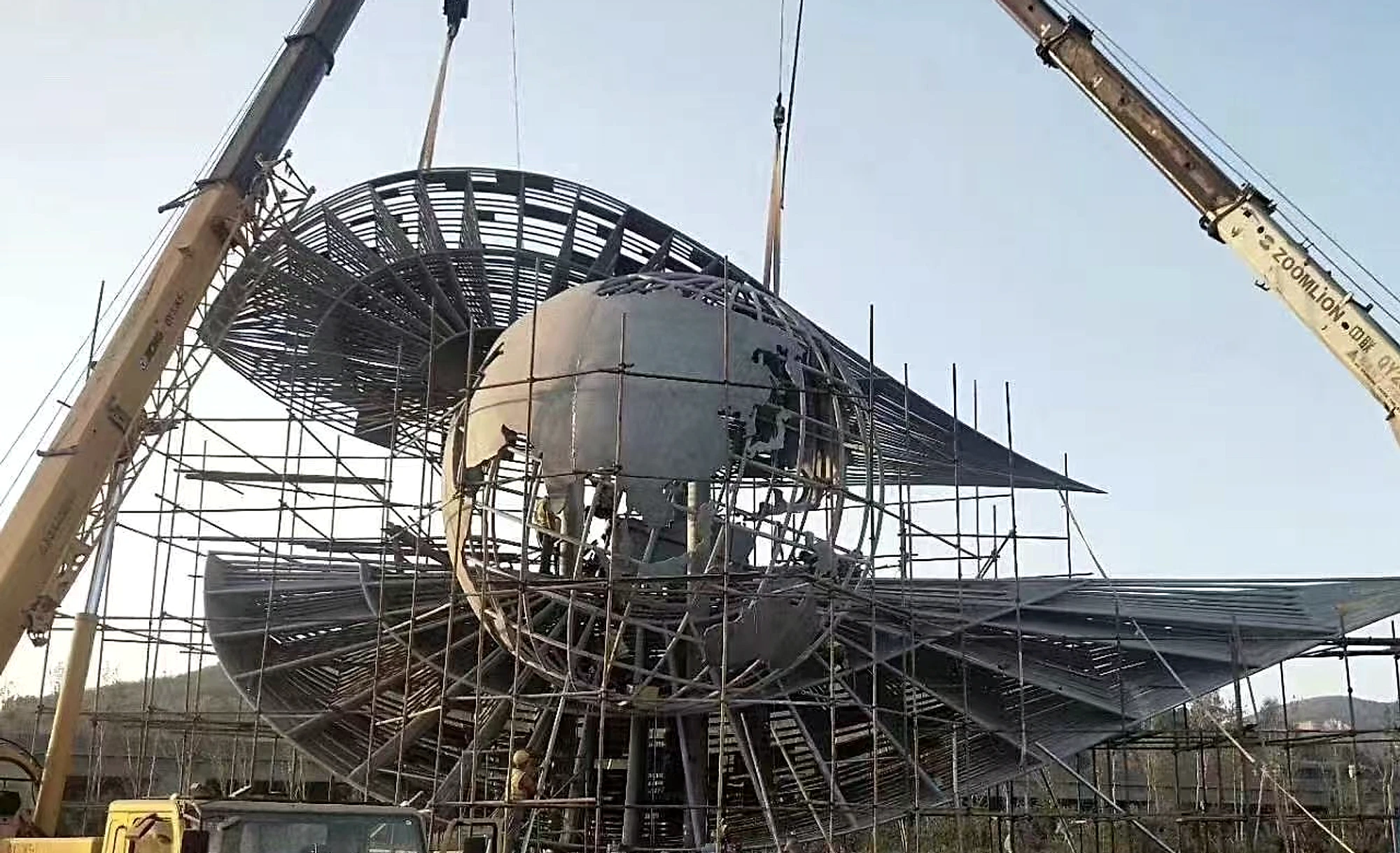
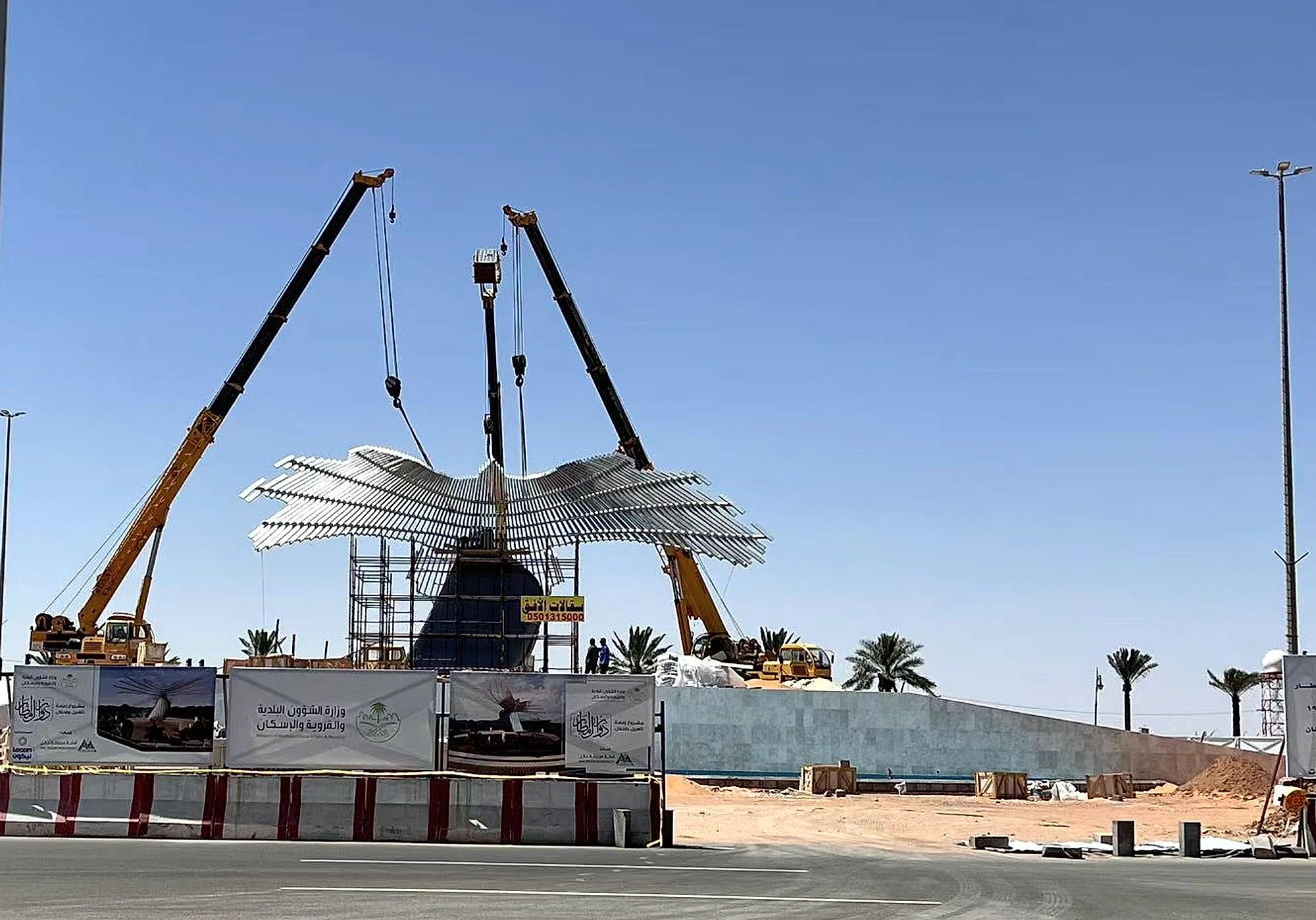
A sculpture photo proves only what the photo shows. It may show the scale, fabrication route, panel alignment, surface direction or installation method. It does not prove alloy grade. For serious projects, connect the visual evidence to documents and samples.
Request a quotation with the grade written into scope, an approved finish sample, material documentation where required, workshop quality records, pre-packing photographs and a handover note that names the cleaning and inspection assumptions.
6. Technical references
worldstainless corrosion guidance provides reference material on 304 and 316 in coastal and salt exposure. Outokumpu's 316L product information describes 316L as a molybdenum-alloyed austenitic grade. These references support the general comparison; the project specification must still be based on the actual site.
Continue with the coastal stainless steel maintenance checklist, the large stainless steel fabrication checklist and the water-feature material checklist.
Frequently asked questions
Is 316L always better than 304 for outdoor sculpture?
Not in every location. 304 may be considered for lower-chloride inland sites with suitable detailing and maintenance. 316L is commonly the stronger starting point where coastal salt, pool splash, irrigation or difficult cleaning raises chloride exposure.
Can stainless steel grade be confirmed from a sculpture photograph?
No. A photograph can show fabrication, finish and assembly, but it cannot prove alloy grade. Request the stated grade in the quotation and supporting material documentation.
Does 316L make an outdoor sculpture maintenance-free?
No. Grade selection does not remove the need for drainage, finish control, contamination prevention, cleaning access and a site-specific maintenance plan.
What should a stainless steel sculpture quote state?
It should state the proposed grade, finish, structural route, weld and polishing expectations, segmentation, surface protection, material documentation, packing and installation responsibilities.
Get the grade decision reviewed against the site
Send the country, site photographs, distance from salt water, pool or fountain details, intended scale, finish direction, maintenance access and installation date. The first review does not require a fixed budget.