316L Stainless Steel vs Bronze vs Stone for Outdoor Sculpture
Material selection is one of the most important decisions in a custom outdoor sculpture project. It affects visual character, durability, maintenance, installation method, packing route and long-term site performance.
For resort landscapes, hotel gardens, water features and public spaces, the right material is not simply the most expensive option. It is the material that matches exposure, viewing distance, touch points, surface finish and maintenance expectations.
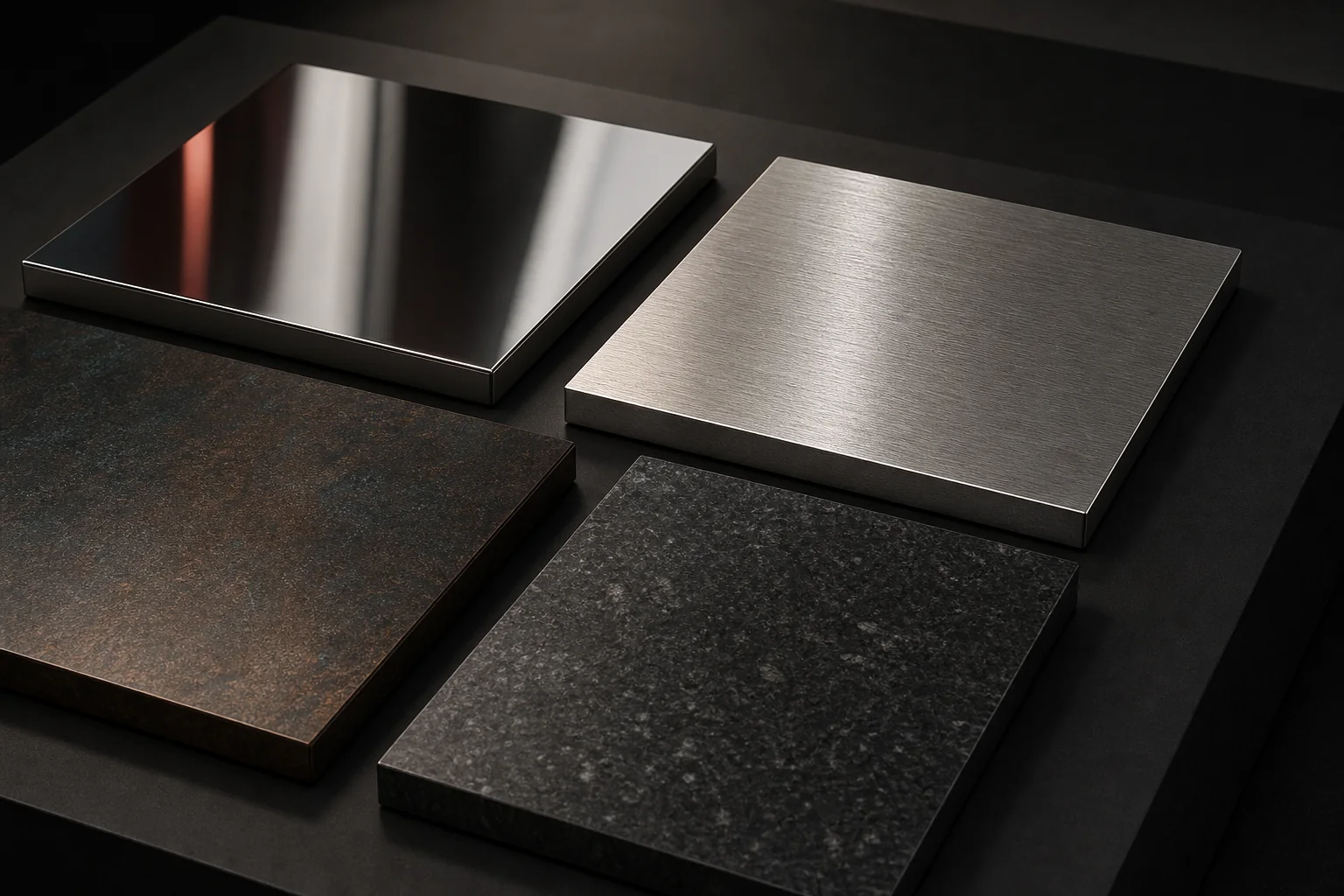
Quick comparison
| Material | Best use | Main advantage | Buyer note |
|---|---|---|---|
| 316L stainless steel | Coastal sites, water features, public landscapes, reflective or brushed finishes | Strong corrosion resistance and modern surface control | Review finish, welding, transport protection and maintenance access. |
| Bronze | Gardens, estates, courtyards, classical or warm public landscapes | Patina, touch, warmth and long-term character | Decide patina direction and base design early. |
| Stone or granite | Permanent outdoor pieces, bases, water edges and grounded landscape sculpture | Mass, permanence and natural texture | Review weight, lifting method, installation access and edge details. |
When to choose 316L stainless steel
316L stainless steel is often considered for humid, coastal or water-adjacent environments. It works well for mirror-finish, brushed or formed metal sculpture where corrosion resistance and surface continuity matter. It is also useful when the sculpture needs a modern appearance and strong public-space durability.
When to choose bronze
Bronze is suited to gardens, estates, courtyards and long-term public landscapes where warmth, touch and patina are part of the project character. Bronze can look more natural in planted landscapes and can pair well with stone, granite or water-edge settings.
When to choose stone or granite
Stone and granite create weight, grounding and permanence. They are useful for bases, water edges, landscape thresholds and sculpture pieces that should feel integrated into the site rather than placed on top of it. The main practical questions are weight, lifting access, edge safety and installation method.
Do not choose material from a rendering alone
A rendering cannot fully show coastal exposure, public touch, drainage, maintenance access, crate size or installation clearance. Before final material selection, send site photos, drawings, destination country, target size and finish preference for review.
Need help selecting material?
Send your site condition, size, material direction and destination country. Open the commission brief.