Water Feature Sculpture Material Checklist for Resorts and Public Plazas
Water changes the sculpture decision. Reflection, splash, drainage, waterproofing, lighting and maintenance should shape the material route before production starts.
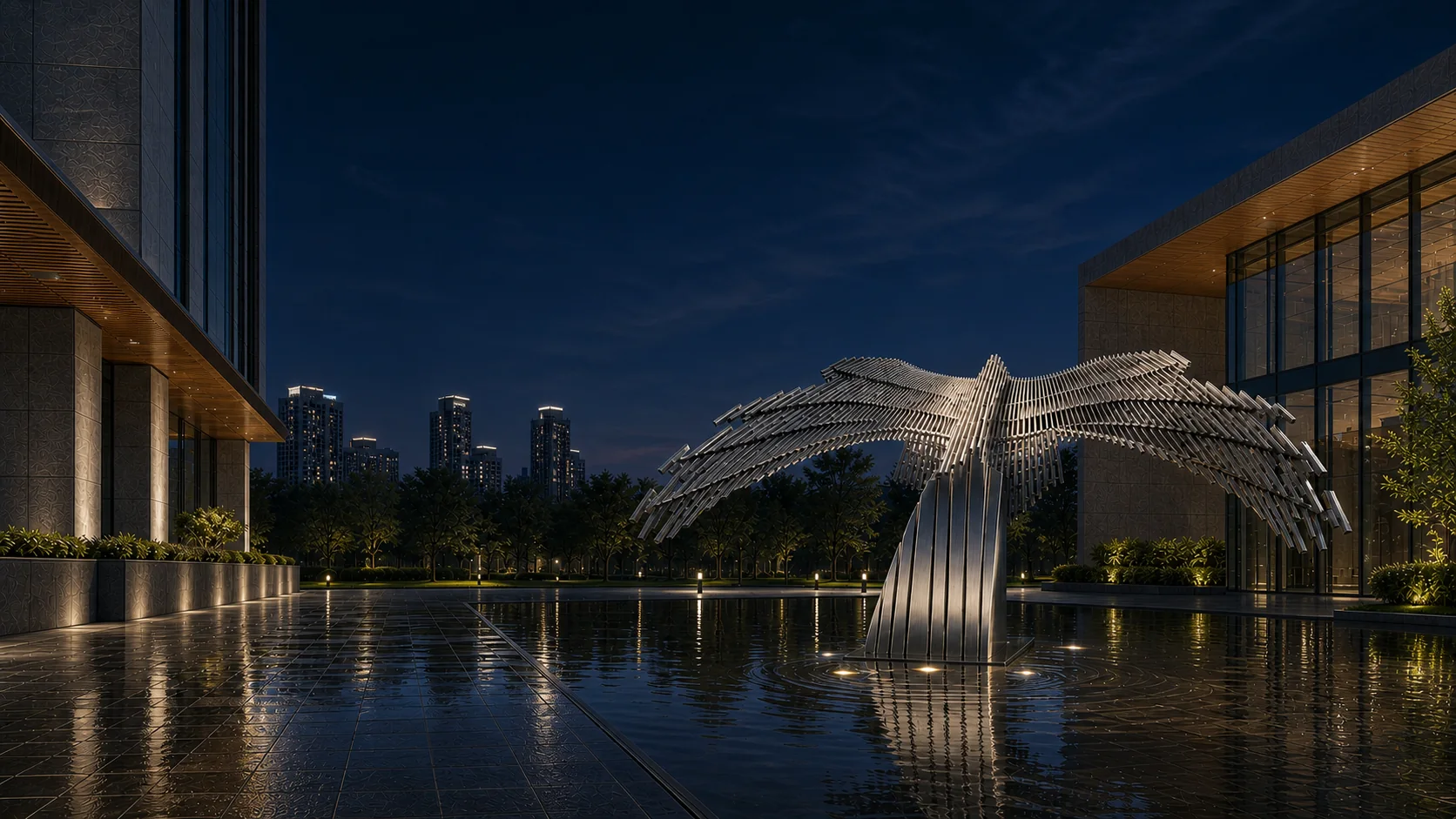
A water feature sculpture is not just an outdoor sculpture placed near water. The water changes material behavior, base design, drainage, lighting, access and long-term maintenance. These questions should be resolved before the project is priced as a finished object.
This guide is for hotel developers, resort teams, landscape designers and public-space buyers reviewing custom sculpture for reflecting pools, fountain courts, water gardens and arrival landscapes.
Water behavior
Depth, splash, drainage, edge detail, reflection and service access.
Material route
316L stainless steel, bronze, stone or hybrid systems selected for exposure.
Maintenance logic
Cleaning access, fasteners, staining risk, lighting glare and replacement routes.
1. Start with water depth, splash and drainage
Before selecting bronze, stainless steel or stone, the buyer should define how the water behaves around the sculpture. Is it a still reflecting pool, a shallow basin, a fountain court, an active water wall or a planted water garden? The answer changes the base height, drainage detail, access panel position and surface protection route.
Splash matters because it carries minerals, cleaning chemicals and dust onto the material. Standing water matters because it can stain, hide fasteners, complicate waterproofing and make maintenance harder. Even a quiet pool should be reviewed for waterline marks, hidden support, power access and safe cleaning routes.
2. Choose stainless steel when reflection must stay disciplined
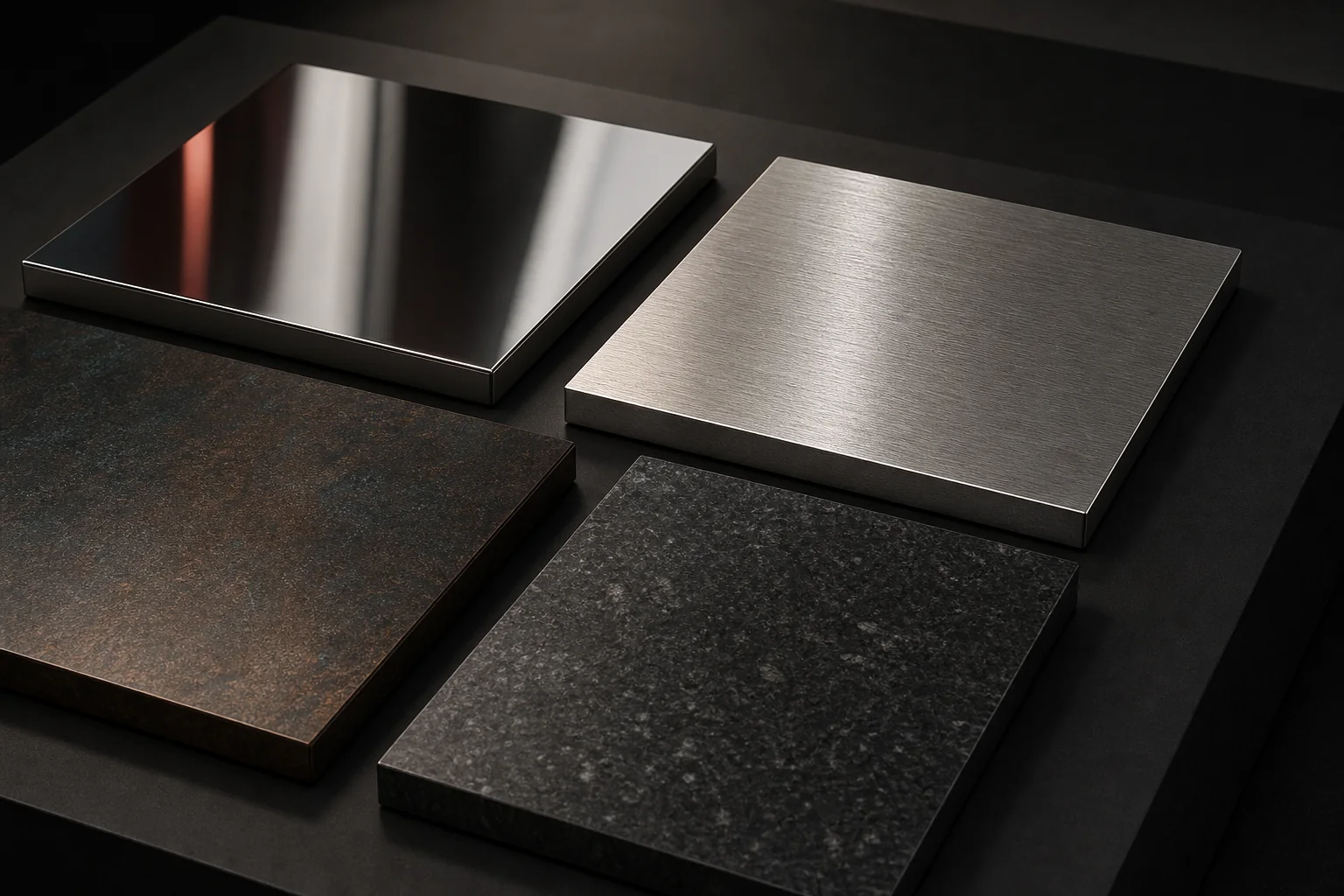
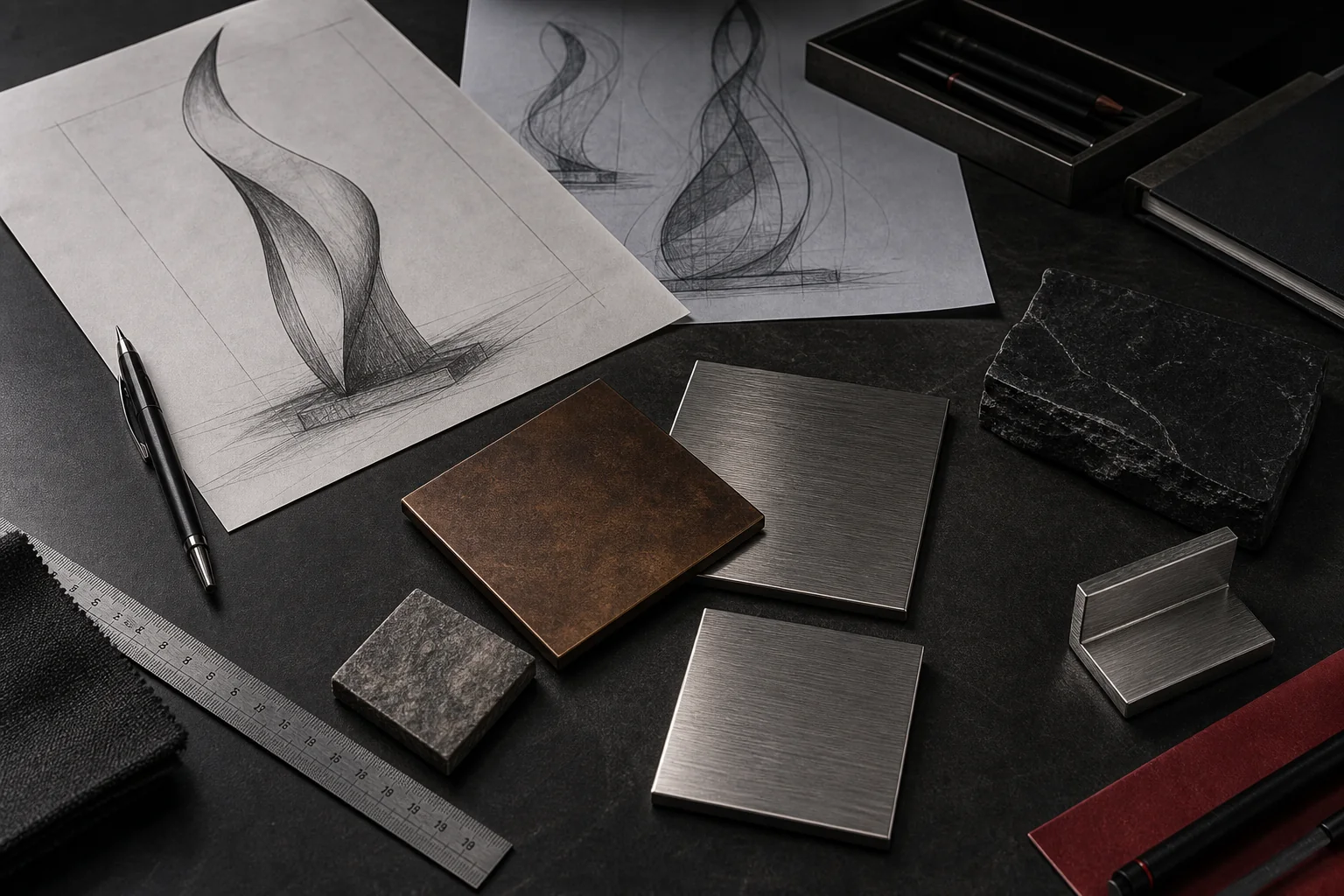
Stainless steel is often chosen for modern water feature sculpture because it can hold a precise edge and controlled reflection. For coastal resorts, outdoor public sites or humid water gardens, 316L stainless steel may be reviewed when corrosion resistance matters. The final choice still depends on surface direction, weld control, water chemistry, lighting and cleaning.
Mirror stainless can look dramatic beside water, but it can also create harsh glare or show every fingerprint and water mark. Brushed stainless steel usually gives a quieter architectural reading. For a hotel arrival court, the goal is not maximum shine. The goal is a reflection that supports the space without turning the sculpture into a maintenance problem.
3. Use bronze and stone when warmth or grounding is needed
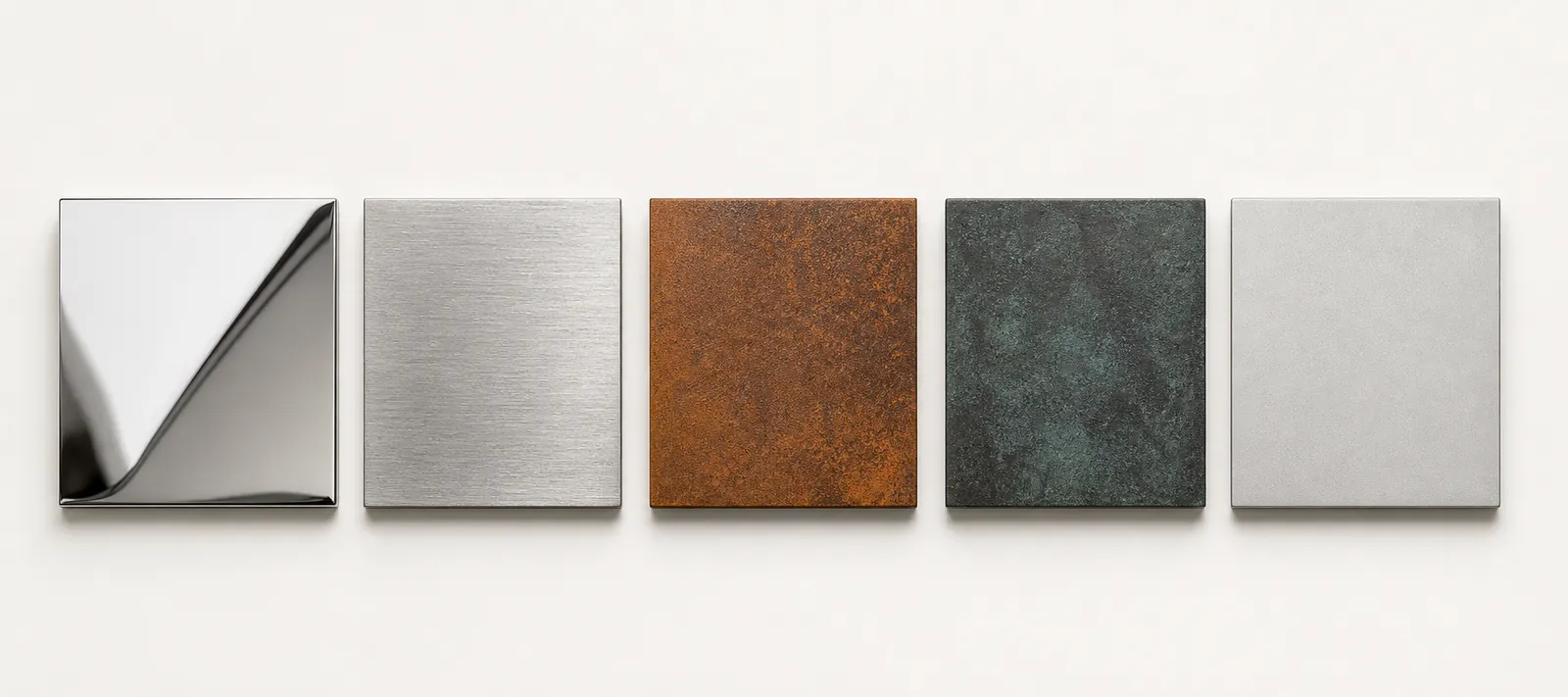
Bronze can bring warmth and surface depth to garden water features, courtyard pools and hospitality landscapes. It needs early patina discussion because water, touch and cleaning can change the surface over time. Stone can ground a sculpture, form a base, shape an edge or create contrast with metal. It also changes lifting, drainage and sealing decisions.
Hybrid systems are common when the sculpture body needs one material and the plinth or water edge needs another. In those cases, the contact line between materials should be reviewed carefully. It may need drainage gaps, isolation layers, concealed fasteners or removable access points.
4. Review base, anchors and service access before fabrication
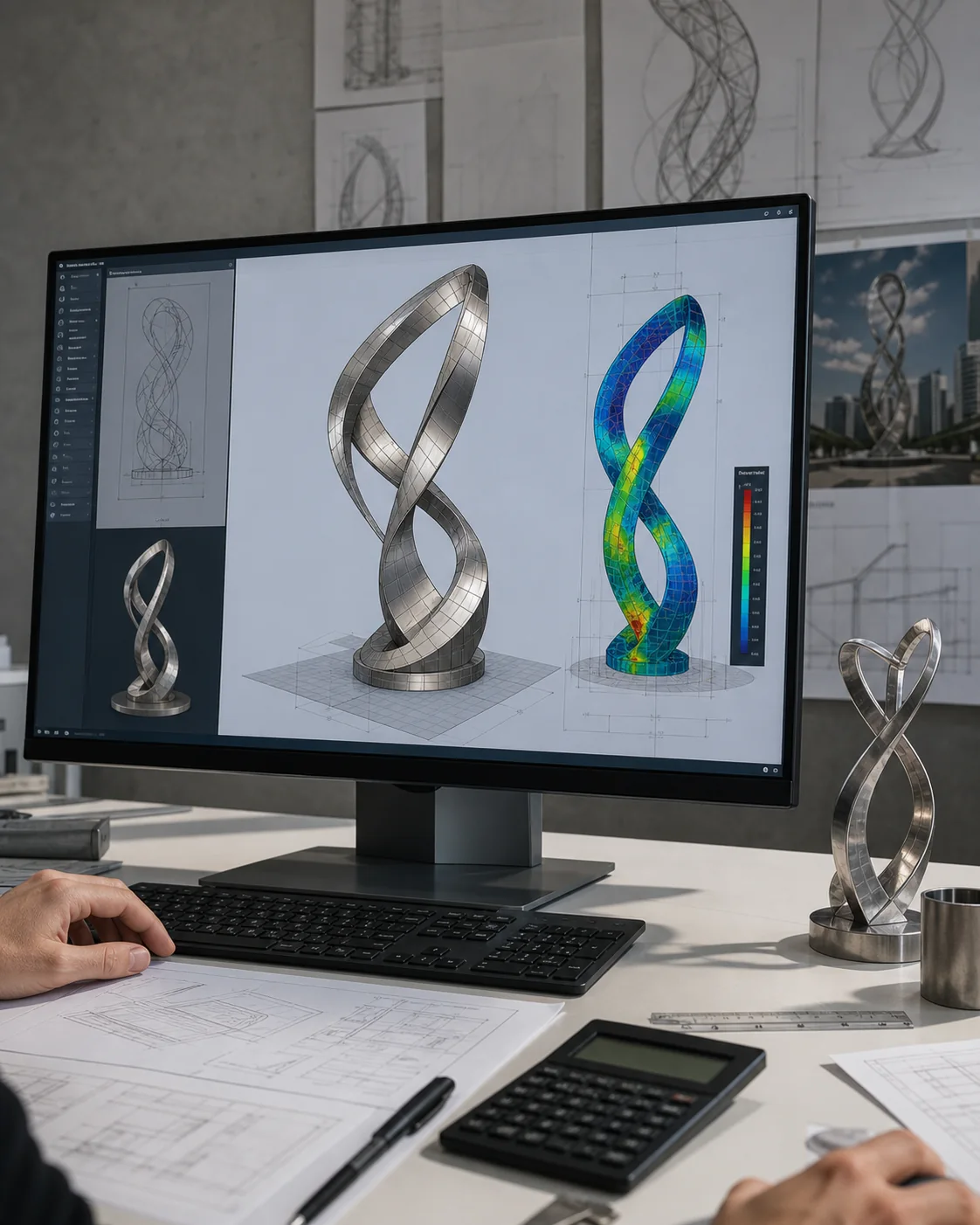
The sculpture base has to connect art, structure and water engineering. Buyers should confirm whether the sculpture stands inside the basin, crosses a pool edge, sits on a dry plinth, hides lights, carries pipes or requires maintenance panels. These decisions affect the internal frame and the external form.
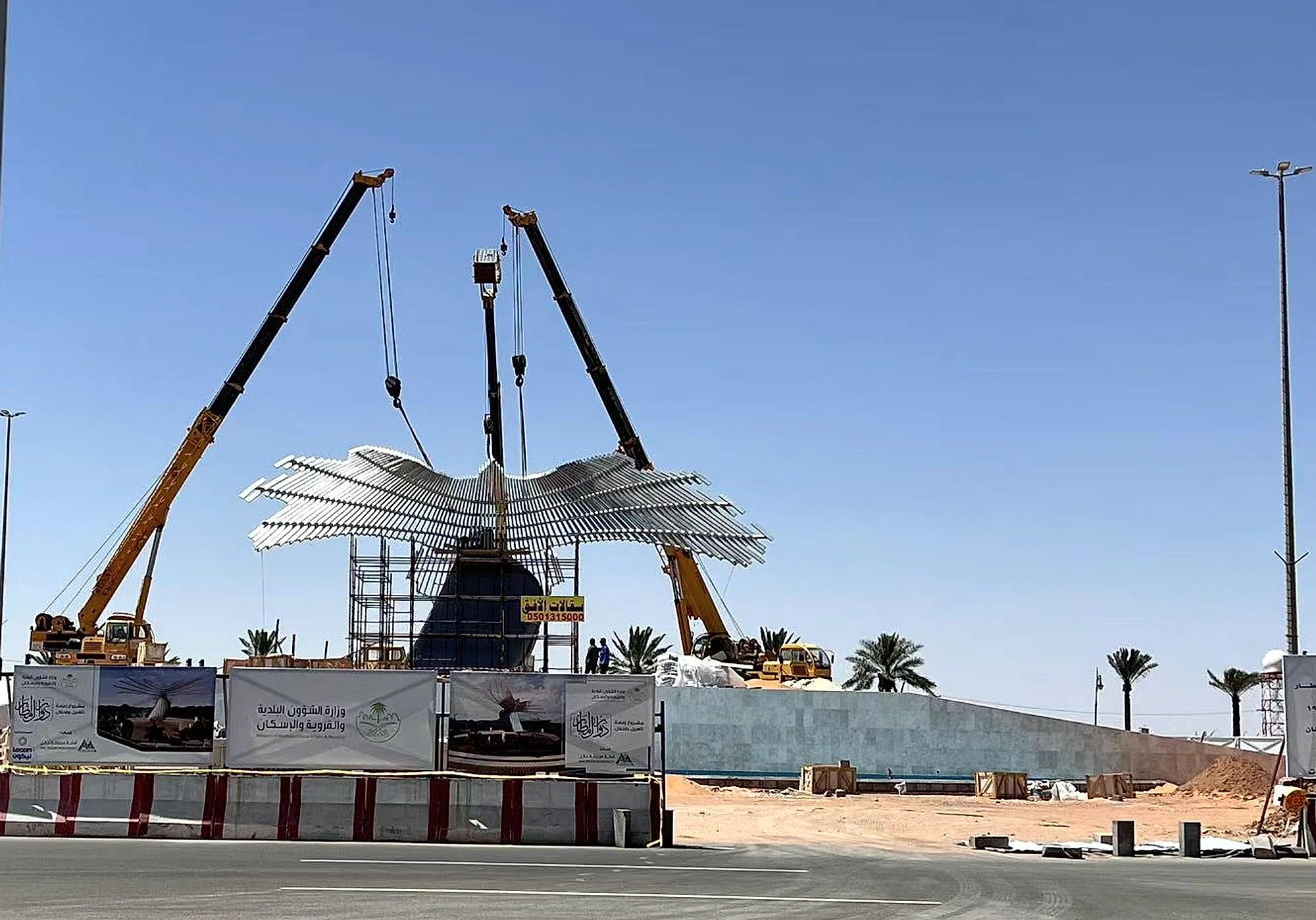
Anchor points should be coordinated with waterproofing and the local contractor. A base that looks clean in a rendering can become difficult if anchor access, drainage, cable routing or future maintenance is blocked. This is why WEIERYANG treats water feature sculpture as a site and engineering problem before final surface work.
5. Make lighting and cleaning part of the same discussion
Night lighting can make a water feature sculpture memorable, but it can also expose surface marks, create glare, flatten the form or make maintenance harder. Buyers should share the intended lighting direction, fixture locations, power access and whether reflection in water or glass is important.
Cleaning access is equally important. The team should know how often the water feature is cleaned, whether the sculpture can be reached safely, which surfaces guests can touch and where removable panels or hidden fixings sit. A high-end sculpture should still be maintainable after opening day.
6. The water feature sculpture checklist
Use this checklist before requesting a water feature sculpture quote. It gives the studio enough context to review material, structure, installation and maintenance responsibly.
- Pool, fountain or basin drawings with water depth and edge details.
- Current site photos showing approach, water edge, paving and service access.
- Target sculpture height, width, footprint and dominant viewing distance.
- Preferred material route: 316L stainless steel, bronze, stone or hybrid system.
- Water behavior: still reflection, splash, fountain jets, mist or planted water garden.
- Lighting plan, glare concerns and night viewing priorities.
- Cleaning access, public touch points and expected maintenance frequency.
- Destination country, local contractor role and installation schedule.
For route-specific context, review water feature sculpture capability, sculpture material routes and the overseas sculpture installation checklist.
Frequently asked material questions
Which material is suitable for a water feature sculpture?
Common options include 316L stainless steel for refined reflection and stronger corrosion resistance, bronze for warm patina, stone for weight and grounding, and hybrid systems when the base and sculptural body need different behavior.
Why should splash and drainage be reviewed before design approval?
Splash and drainage affect base height, hidden fasteners, access panels, water staining, cleaning, lighting glare and long-term surface appearance. They should be checked before the sculpture is treated as a finished object.
Can a water feature sculpture be shipped overseas?
Yes. Overseas projects should confirm segmentation, crate protection, container limits, local lifting access, waterproofing interface, anchor points and installation responsibility before production and shipping.
What should a resort team send for first review?
Send pool or fountain drawings, water depth, pump or service access, current site photos, target sculpture scale, lighting direction, material preference, destination country and installation schedule.
Prepare a water feature sculpture brief
Send water drawings, site photos, target scale, material direction, lighting notes, destination country and installation context. WEIERYANG will review material and delivery logic before quotation.