Sculpture OEM Samples: Maquette, Finish Panel or First Piece?
A request for “one sample before production” leaves room for different interpretations. The buyer may expect a finished miniature, while the proposed scope covers a digital model or one surface panel. Start by naming the uncertainty: the character's expression, the apparent scale, a colour, a junction or the completeness of the finished object. That question determines which reference is useful.
Choose the reference that can answer your question
The table below is a practical planning tool for a custom sculpture commission. Its categories are descriptive, rather than a claim that every project follows a prescribed sampling standard.
On a small screen, scroll the table sideways to read all columns.
| Reference | Useful review question | What to describe in the request | What remains a separate decision |
|---|---|---|---|
| Digital model or rendered views | How does the form read from the agreed viewpoints? | Model revision, overall dimensions, view directions and any proposed base | Physical finish, actual weight, concealed construction and site acceptance |
| Maquette or scale model | How do the volumes, openings and silhouette read as an object? | Model scale, represented details, simplified areas and material used for the model | Full-size detail, final material and structural performance |
| Physical finish panel | Which surface appearance is being compared? | Substrate, proposed surface treatment, texture, reference and viewing conditions | The whole sculpture's geometry, complex curvature and long-term exposure performance |
| Full-size detail or interface mock-up | Can the named junction or feature be reviewed at its intended scale? | Exact area, dimensions, adjoining components and the question for the appointed reviewer | Other connections and any engineering or tests outside the agreed mock-up scope |
| First completed piece | How does this object compare with the agreed order requirements? | Piece identification, current references, review scope and any components still excluded | Automatic acceptance of later pieces, other sites or a changed production proposal |
Formlabs distinguishes concept exploration, functional prototyping and product validation in its own manufacturing guidance. That distinction is useful when framing a question; it does not establish which process, equipment or sample WEIERYANG will use for a sculpture order.
Ask what is representative of the intended sculpture
A sample becomes easier to interpret when the supplier identifies its relationship to the proposed finished work. Does the model show the current design revision? Is the panel made on the proposed substrate? Does a full-size section include the same junction and neighbouring surfaces that the team wants to inspect? Keep any substitutions visible in the description.
For a small character sculpture prototype, the face may be the focus. For an architectural piece, the unresolved issue may be how two visible surfaces meet. Request a reference that adequately represents the feature and can answer the actual question, then ask the supplier to explain its limits. A detailed sample of an unrelated area can add cost while leaving the original question open.
Review colour and finish on a defined physical reference
A colour name or number helps communicate a target. The sample request should also describe the intended substrate, surface treatment and finish. Pantone explains that the resulting paint colour can vary with the manufacturer, substrate, finish and application method. A colour reference therefore needs a clearly described proposed coating and physical comparison.
Agree where the panel will be viewed and which parts of its appearance are under review. If the final sculpture has curved or interrupted surfaces, ask whether a flat panel answers the question or whether a representative curved section is needed. The buyer's team should identify the relevant viewing conditions and any required evaluation method.
Keep maintenance and exposure questions on their own line. A panel selected for its appearance does not, by that decision alone, document an outdoor service life or a maintenance interval. For broader selection questions, use the sculpture materials review.
Give a scale model a clear scope
State the intended full-size dimensions and the scale of the proposed model, using feet and inches or metric units consistently. Identify details that may be simplified, omitted or represented by a different process. Ask for those differences to be listed with the model so the design team can read it accurately.
A small model can help settle the balance of a composition. A projecting feature, visible seam or base connection may still need a full-size view or detail. Where those issues affect construction or visitor interaction, assign them to the relevant project reviewer. Enlarging a model is a design input; the finished structure and site interfaces still require their agreed review.
Example: three questions, three different references
Illustrative planning example, not a WEIERYANG client case: a design team is considering a curved figure with a coloured surface and a narrow visible junction above its plinth.
- To discuss the figure's balance from the entrance and side, the team requests a maquette with identified viewpoints.
- To compare two surface directions, it requests physical finish panels described by substrate and treatment.
- To resolve the appearance and access around the plinth junction, it asks for a defined full-size detail proposal.
Each reference answers a different question. The team can decide which work is useful first and ask for the remaining items as separate scope. No sample in this example establishes a load capacity, a completed inspection or permission to start unrelated work.
Use this sample request brief
Send the following headings with the current artwork or drawings. Leave undecided items open for a specific proposal rather than filling them with assumptions.
- Question: What must the sample help us decide?
- Reference: Which artwork, drawing revision, surface direction or component does it represent?
- Format and coverage: Digital views, scale model, finish panel, full-size detail or first piece; name the represented area and scale.
- Representativeness: Which materials, processes and details match the proposed final work, and which are substitutions?
- Review arrangement: Who reviews it, under what agreed conditions, and what decision is requested?
- Commercial scope: Ask for preparation, revisions, packing, shipment and any later production work to be described separately.
- Retention: Agree where the physical reference will be kept, how it is identified and whether return or disposal is included.
If a retained sample will be used for a later order, first confirm that it is still available, identifiable and relevant to the current proposal. Do not assume that an old sample, mould or file remains in storage. Record any changed finish, scale or construction proposal before relying on the previous comparison.
Bring the sampling question into your project brief
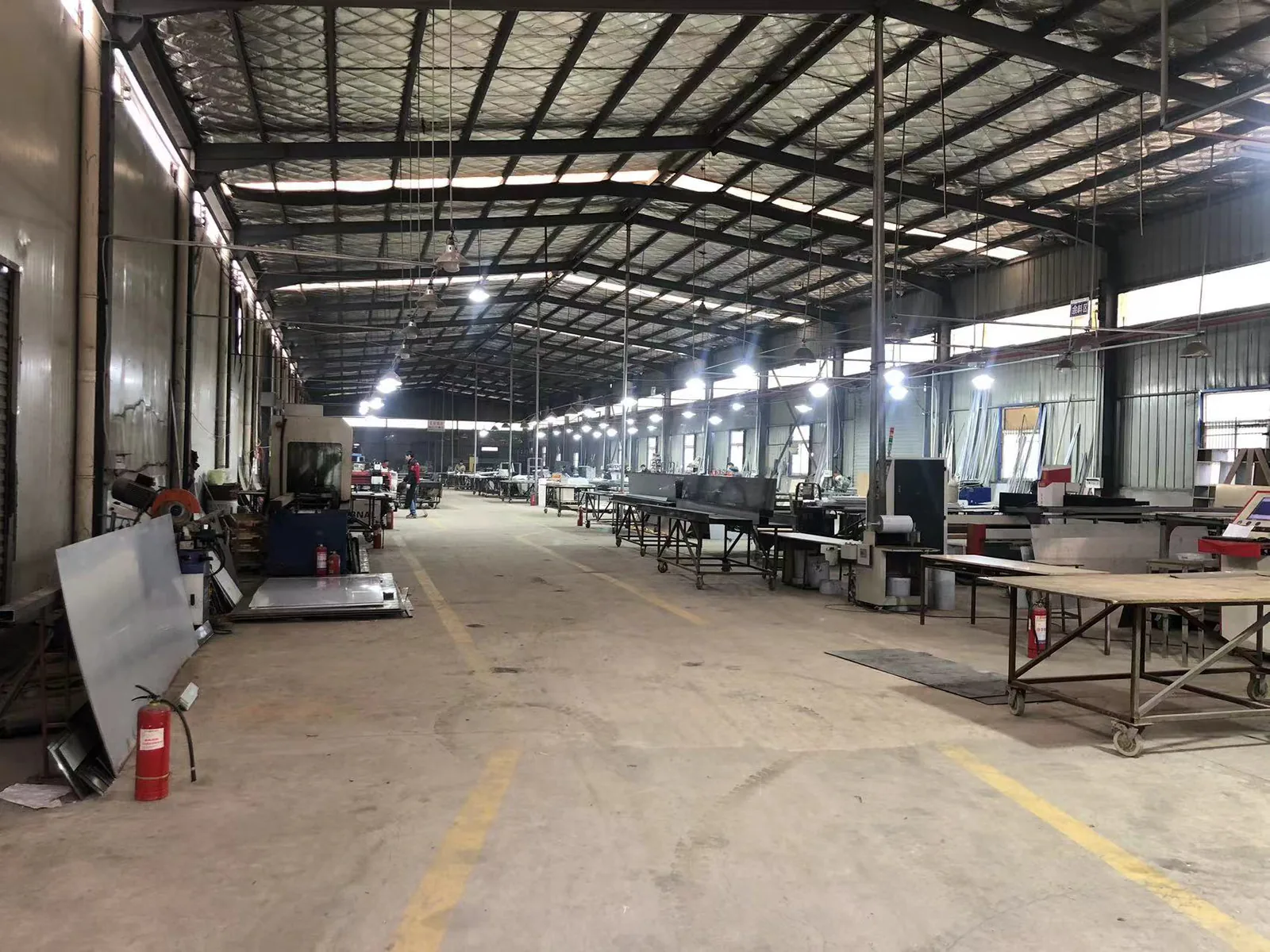
WEIERYANG's public fabrication records and photo-request guidance help explain visible work and the information a buyer may request. Those photographs are production records; they are not evidence that a pictured sculpture was an approved prototype or first article.
To discuss an OEM sculpture, send the project brief with the design reference, intended use, destination and the question your sample needs to answer. Ask for the proposed deliverable and exclusions before agreeing the sampling work. For recording the resulting decision, use the separate OEM approval checklist.
Frequently asked questions
Does every custom sculpture need a physical prototype?
The useful reference depends on the unresolved questions and agreed scope. A project may need digital views, a physical model, a finish panel or a particular full-size detail. Ask the proposed supplier which reference answers your question and what it will not represent.
Does approval of a finish panel approve the sculpture material?
Only the stated review scope is covered. Record the panel substrate and surface treatment, and identify the material information or other checks that remain open. An appearance decision does not by itself verify material composition.
Can a photograph replace a physical sample review?
Photographs can support a defined visual discussion when linked to the sample reference. Agree which questions can be reviewed remotely and which need a physical comparison, measurements or other records. Do not treat an image as proof of every sample characteristic.
Is sample preparation automatically included in an OEM quotation?
Ask for its scope explicitly. Preparation, revisions, retention or return, packing and shipment may be separate items. No standard sample fee, turnaround or minimum order is assumed in this guide.
Sources and project evidence
This is a buyer planning guide. Published production photographs support only the visible details described in their captions. Proposed review records are not test reports, approved project samples or completed-client case histories. Technical scope and responsibilities must be agreed for the actual project.
- Formlabs: Rapid Prototyping — Manufacturer differentiates concept exploration, functional prototyping and product validation; no WEIERYANG equipment or production-process claim.
- Pantone: How do I get paint in a Pantone color? — Actual paint colour can vary with manufacturer, substrate, finish and application method; does not establish WEIERYANG coating performance.
Explore the related sculpture application and process · Share your drawings and project brief