Restaurant & Retail Sculpture OEM: Planning a Multi-Location Rollout
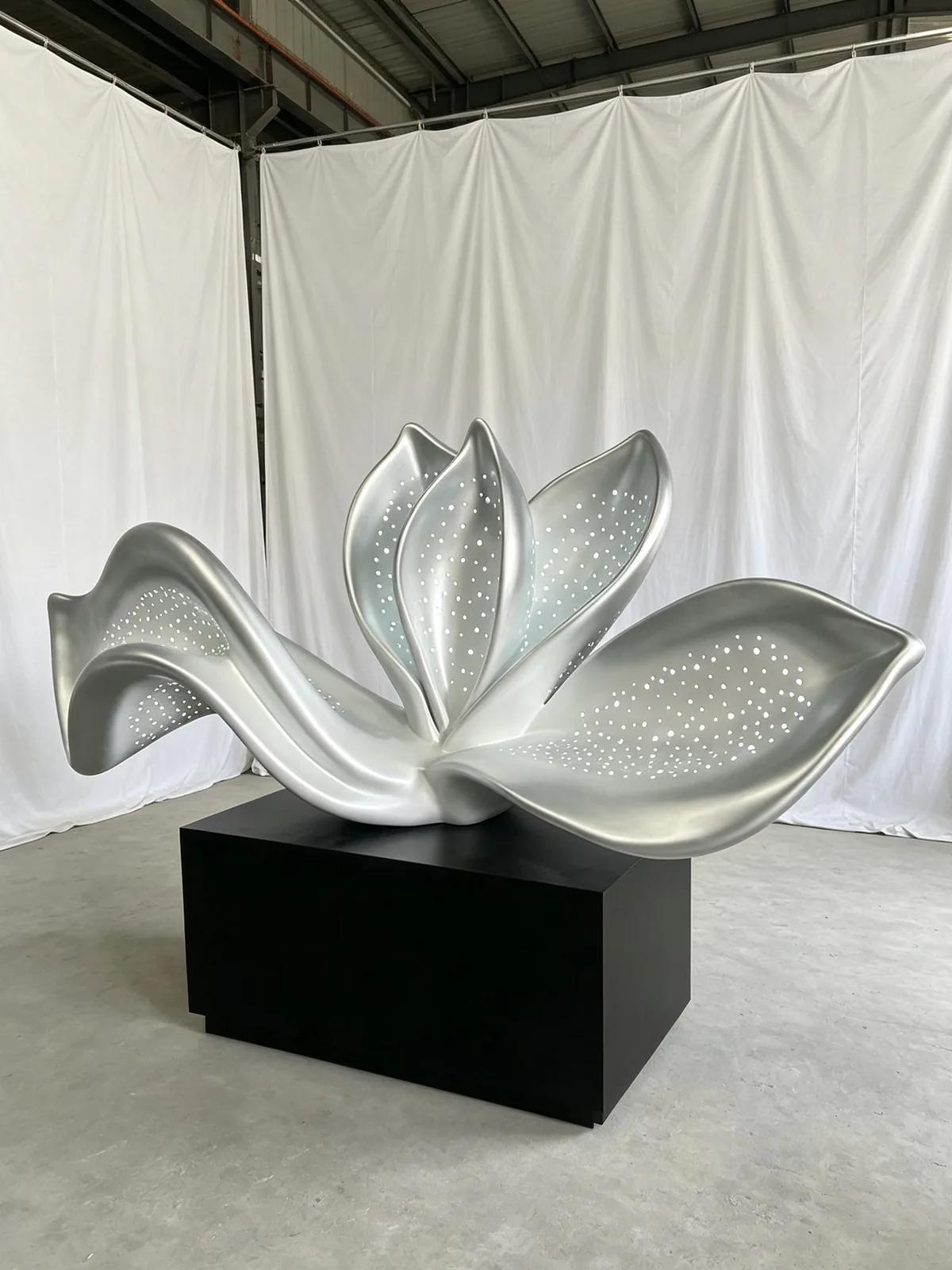
This guide is for restaurant operators, retail brands, designers and procurement teams planning custom sculptures for a proposed rollout. It provides a practical way to separate repeat design decisions from the site conditions that still need review.
Define the brand master before listing store quantities
The brand master is a controlled appearance reference. Give it an identifier and revision, then name the views and details it controls: silhouette, pose, expression, visible joins, colour references, surface appearance and the relationship to a plinth. Where a physical reference is required, identify the actual object and the decisions it is intended to support.
Also list permitted variations. A reversed pose, a different accessory or a smaller overall form can change the character's appearance. Treat those as separate proposals for review rather than allowing a factory or local store to interpret them independently. Artwork development and permission to commission that artwork should be resolved with the responsible brand team.
Agree how the appearance will be compared, which differences are acceptable and who can decide when a difference needs correction.
Give each location its own placement record
A restaurant entrance, service counter and retail window can use the same visual identity while requiring different pieces. The location record should explain the intended use and connect it to the current placement plan. Review the sculpture and plinth together, including projections, customer or staff routes, cleaning access and any proposed future relocation.
The following is an editorial planning matrix, not a completed project record or an engineering approval. Populate it with the project team's actual references.
On a small screen, scroll the table sideways to read all columns.
| Field | What to record | Why it stays location-specific |
|---|---|---|
| Location / unit ID | Store reference and a unique identifier for each piece. | One store may receive different forms or more than one unit. |
| Model / site variant | Brand master revision and the permitted variant. | A smaller piece is not automatically a scaled equivalent. |
| Placement / footprint | Placement-plan revision, sculpture and plinth envelope, including projections. | Available space and operating routes differ. |
| Approved viewing face | Main approach direction and any secondary customer-facing views. | A face suitable for a wall-backed display may not suit an island. |
| Site interface | Base, proposed fixing, floor or display interface, and reviewer. | The local design and installation team must resolve its own conditions. |
| Receiving reference | Receiver role, receiving window and access-plan reference. | Delivery acceptance is a separate task from brand appearance review. |
| Unit / crate link | Unit identifier, agreed crate label and packing-list reference. | The right version must reach the right destination. |
| Installation responsibility | Who supplies the local review, positioning, equipment and installation work. | Those services should not be assumed from the fabrication order. |
Keep private receiving details in the working project file, not on a public webpage. For destination handling and protection questions, use the sculpture export packing checklist alongside this schedule.
Test the schedule with three different placements
Illustrative planning example, not a WEIERYANG customer project: imagine a restaurant brand considering one character for a counter, an entrance and a shop window.
At the counter, the review centres on the customer-facing expression, occupied counter area and how staff can clean around the base. At the entrance, the team needs to review the complete footprint, approach views and the connection to the proposed support. In the window, the intended presentation may prioritise the street-facing view, while the maintenance team still needs access from inside.
These are three placement briefs, even if the same character artwork starts all of them. The schedule might identify a counter variant, an entrance variant and a window variant, each linked to its own drawing revision. If the entrance design changes, the counter and window versions should not silently inherit that change.
Connect repeat orders to the correct reference
For a later order, reference the model and revision being requested rather than writing “same as last time.” Compare the new site conditions with the earlier location record. Confirm whether the previous appearance reference remains available and whether the proposed materials, finish and assembly route are unchanged or need a new review.
A replacement also needs an identity. State whether it replaces the whole piece, a detachable component or a plinth. Record the unit it must match and the current condition of the retained parts. A photograph of an older installation can help explain appearance, but it does not establish concealed connections or the specification of a replacement.
Separate a brand change from a local change
A useful change note names the affected master or location revision, the units concerned and the next decision owner. A new brand colour direction may affect several proposed pieces. A revised doorway or display position may affect only one location. Distinguishing the two keeps an isolated site adjustment from becoming an unintended change to the whole series.
At agreed review points, request evidence that identifies the piece and revision being shown. The OEM fabrication evidence guide explains how to connect photographs to specific review questions; public workshop images alone are not inspection acceptance for a new order.
Prepare a rollout brief for review
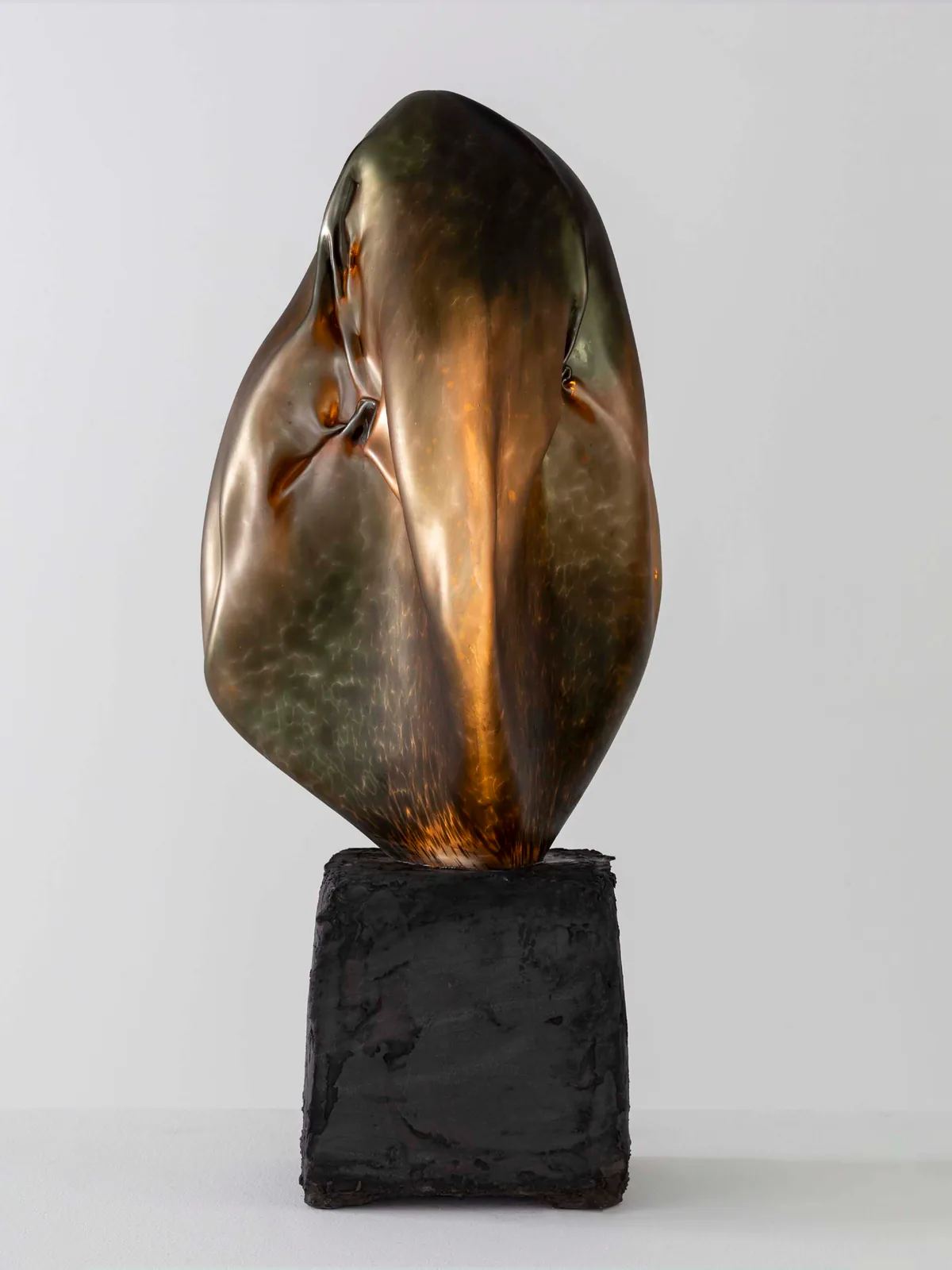
Send the brand master, proposed variants, location schedule and known delivery sequence together. Mark undecided items clearly and identify who can resolve them. Explain whether this is a first location, a proposed repeat order or a replacement request so the scope can be reviewed accordingly.
WEIERYANG is a sculpture studio and manufacturer based in China. Explore the retail and dining sculpture application, then share your project brief to discuss the drawings, fabrication and destination-specific responsibilities. Quantities, feasibility and delivery scope are agreed for the actual project.
Frequently asked questions
Can different store opening dates be included in one sculpture request?
Yes. List the proposed delivery sequence and the decision deadlines for each destination, and mark dates that remain provisional. Ask for a project-specific feasibility review; do not assume that one appearance approval establishes every fabrication or delivery date.
What if several designers or franchisees send conflicting comments?
Name the person responsible for consolidating brand comments and the person responsible for each site decision. Return one coordinated response tied to the relevant revision, with unresolved items visible, instead of treating separate messages as a single approval.
Should a rollout schedule include customer photographs?
Use photographs where they clarify placement or access, but share only material you are authorised to provide. Keep identifiable customer information and private receiving details out of public content; use the private project review channel for necessary project documents.
Does OEM mean that a standard order quantity or catalogue package applies?
No standard quantity, plinth package or installation service is assumed here. State the proposed quantities and destinations, then agree the design, fabrication and delivery scope for that request.
Sources and project evidence
This is a buyer planning guide. Published production photographs support only the visible details described in their captions. Proposed review records are not test reports, approved project samples or completed-client case histories. Technical scope and responsibilities must be agreed for the actual project.
- Retail & Dining Spaces — WEIERYANG — Existing business scope, category application and project-specific review of repeat quantities and site conditions; the proposed matrix and fictional example are editorial tools, not evidence of an actual rollout.
- OEM fabrication records — WEIERYANG — Public photographs have limited evidentiary scope; a new project needs object/revision-specific requested records.
- Petal-Form Sculpture: Edges, Perforations & Plinth — Visible production-photo description and the boundary between a presentation photograph and a completed retail commission.
- Warm Abstract Sculpture: Surface & Plinth Review — Visible curved form and plinth; colour does not establish composition or a verified material finish system.
Explore the related sculpture application and process · Share your drawings and project brief