Custom Outdoor Abstract Sculptures: OEM Approval Checklist
Before recording an approval, identify the reference being reviewed. Use the sculpture sample selection guide to distinguish a model, finish panel and first piece. For a character design, the 2D-to-3D character brief helps identify missing views and design decisions.
An email saying “looks good” can leave several decisions open. Use the proposed register below to turn a visual response into a specific, traceable instruction. It is a buyer worksheet to adapt with the project team, rather than a claim that every commission follows one WEIERYANG procedure.
For fabrication scope, see custom sculpture from client drawings. Outdoor exposure, material selection and site interfaces belong in your project-specific review.
1. Identify the version being reviewed
Name the artwork, intended location and current drawing or model revision. Include the controlling units and views needed to understand the form. Identify the client-authorized design basis; a photograph that may be displayed is not automatically permission to fabricate the pictured work. Keep superseded files available for reference, clearly marked so they cannot be mistaken for current instructions.
2. Separate review from permission to proceed
Name the people responsible for appearance, project-specific technical interfaces and authorization of the next activity. Their roles may be held by different parties. Ask each reviewer a defined question: reviewing the silhouette does not settle a base connection. Record the permitted next step and anything still on hold, even when the design response is positive. Local engineering and site responsibilities require their own appointed reviewers.
3. Define the form and finish comparison
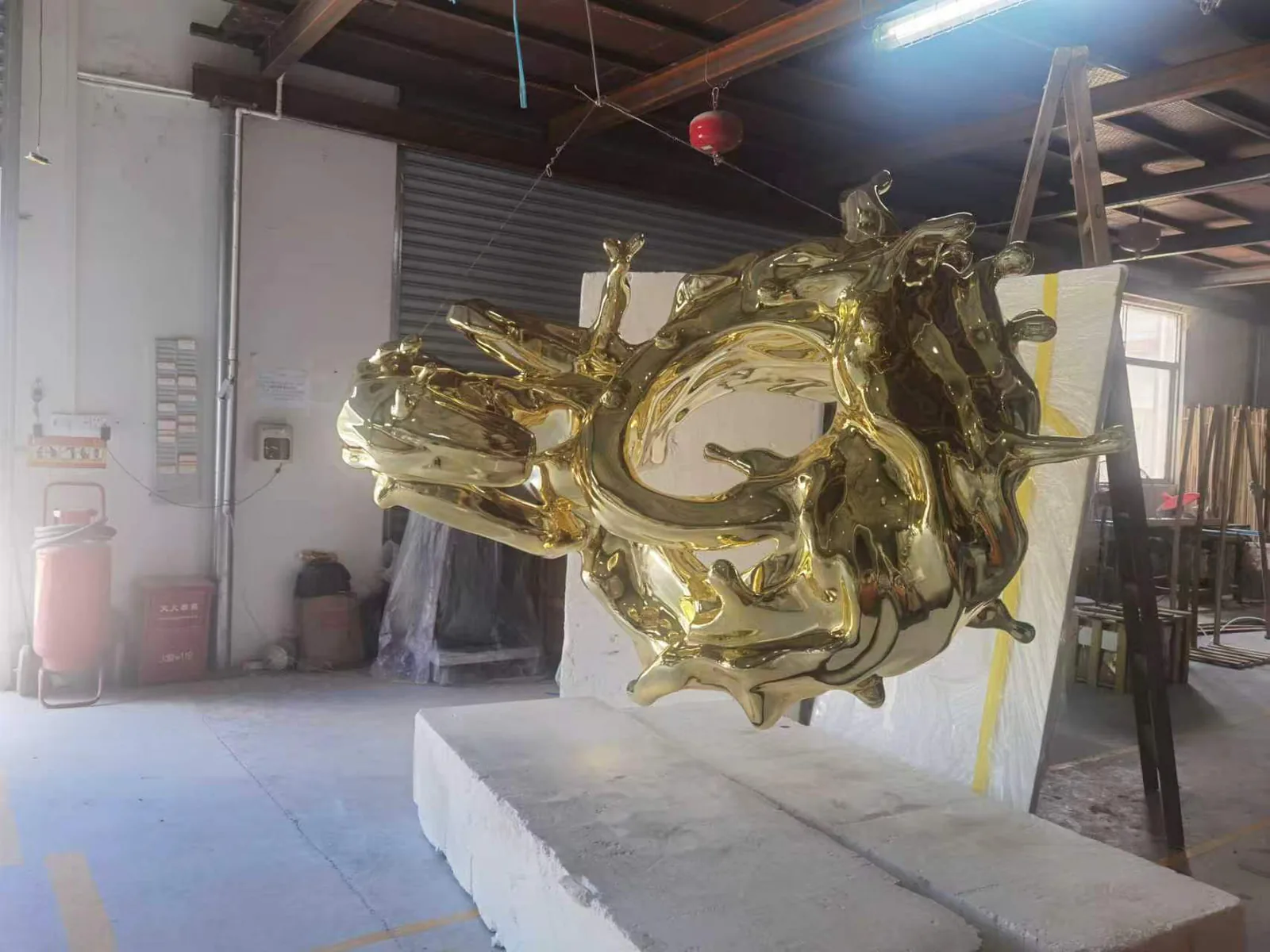
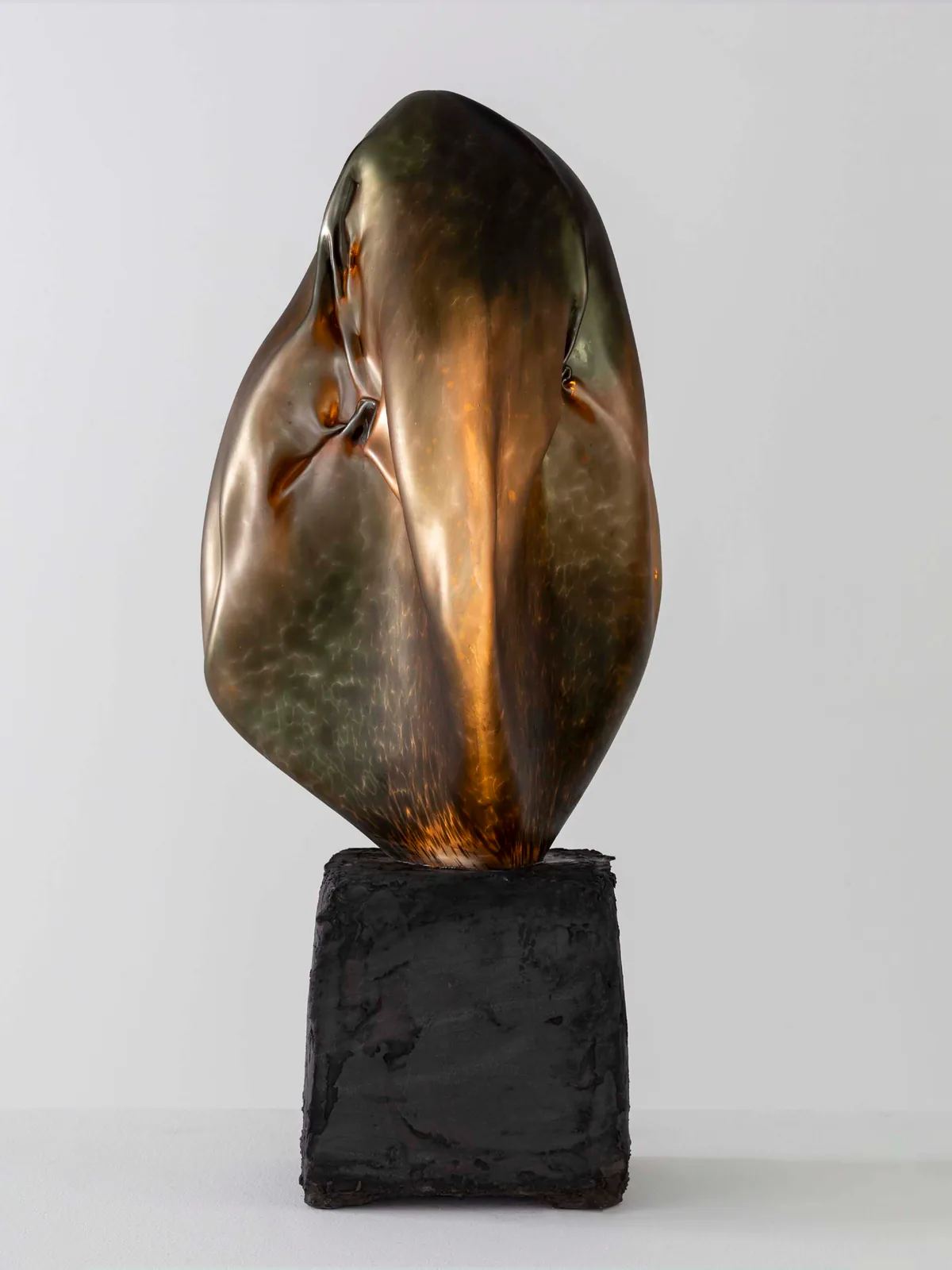
In the gold-coloured abstract production photograph, look at the changing curves, openings and reflected lines. In the warm-coloured work, compare the curved form with the rectangular plinth. For your commission, identify which views and finish reference will govern the appearance review. A finish sample cannot settle the entire geometry, and a model image cannot verify a physical surface. These photographs establish neither material grade nor outdoor suitability.
Read the gold-coloured abstract production study.
4. Make every register row answer one question
Connect the file and revision to a specific review question, evidence reference, reviewer name and role, status and decision date. Then state the permitted next step, held scope and written decision reference. Keep a change-impact field and a re-review owner. “Reviewed” is incomplete unless the reader can see what was reviewed and what the decision allows. Agree status labels with the team; silence is not a release.
- Reference
- Artwork / location, file or sample, revision
- Review
- Question, evidence, named reviewer and role
- Decision
- Status, date, permitted next step, held scope
- Change and release
- Change impact, re-review owner, release authorizer, written record
5. See how a limited decision works
Fictional teaching example only: the row below describes an invented project and people. It is not a WEIERYANG inspection, client approval or record for either photographed sculpture. The requested visual revision may proceed; fabrication remains on hold.
- File / sample reference
- EXAMPLE-A07-views.pdf
- Revision
- B
- Review question
- Does the revised opening match the approved sketch?
- Reviewer name / project role
- Mira Chen — client design reviewer (fictional)
- Review status
- Changes requested
- Permitted next step
- Revise visual model for re-review only
- Scope still on hold
- Fabrication and site work
- Change reference / impact
- Opening revision: check adjacent surfaces and affected interfaces
- Re-review owner / action
- Alex Reed — project coordinator (fictional): route revised views to the relevant reviewers
- Release authorizer name / role
- No fabrication release recorded
6. Reopen affected decisions when the design changes
Log the proposed change against the previous revision. Identify affected pieces, views, finish references, base or site interfaces, and any scope or programme questions. Ask the relevant named reviewers which decisions must be repeated. Issue the revised package with its change record and obtain authorization for the affected next activity. Approval of an earlier version does not automatically carry over; record even a decision that no further review is needed.
7. Start with a genuinely blank review register
Download the blank CSV register and use one row per review decision. It has thirteen field labels and one empty row, with no example approvals, customer data or preselected status. Fill references from your actual package. Leave unknown values blank and state the unresolved question; do not mark them accepted. Link the written decision and confirm the authorized next activity before treating the row as closed.
Download blank CSV review register
- Artwork / location ID
- Identify the piece or location affected; separate rows where decisions differ.
- File / sample reference
- Name the drawing, model, sample or photo set being reviewed.
- Revision
- Use the exact version identifier; do not rely on a file called latest.
- Review question
- State the specific decision requested.
- Evidence reference
- Identify the comparison views, sample or supporting document.
- Reviewer name / project role
- Name the person and the scope of their review.
- Review status / decision date
- Use the status agreed for this project and record its actual decision date. Neither a label nor silence automatically releases fabrication.
- Permitted next step
- Describe exactly what may proceed, if anything.
- Scope still on hold
- State the activities or interfaces that remain unresolved.
- Change reference / impact
- Identify the proposed change and affected appearance, interfaces, scope or programme.
- Re-review owner / action
- Name who must review again and the requested evidence or action.
- Release authorizer name / role
- Name the person whose authority for the stated release is agreed in the project.
- Decision / release record
- Point to the actual written decision; this worksheet does not create that authority.
8. Keep the approval record with the delivery package
Before packing, compare the current register with the latest files and agreed evidence. Reconcile open changes and unresolved scope with the responsible parties. The register identifies decisions; it does not replace a packing plan, site engineering or the contract. Use the existing RFQ scope template for commercial inclusions and exclusions. Share the current drawings and open review questions through the original project brief.
RFQ and quotation scope template · Export packing checklist.
OEM drawing and sample approval questions
Can one drawing approval release the whole sculpture for production?
Only if the project’s authorized parties explicitly release that scope. A visual review may cover form while technical interfaces or other documents remain open. Record the permitted activity and held scope separately.
Does approving a finish sample approve the shape and plinth?
It may approve only the stated sample characteristics. Identify whether form, views, plinth relationship and interfaces were reviewed separately; do not extend a surface decision to unreviewed parts.
What if our designer changes the sculpture after approval?
Record the new revision and affected decisions. Ask the relevant reviewers what must be checked again, then obtain the authorization required for the affected work. An earlier approval does not automatically cover a change.
Can photographs replace the approval package?
Photographs can support a defined review when tied to the current reference. They do not, by themselves, prove dimensions, material grade, outdoor suitability, concealed interfaces or authority to release fabrication.
Is the downloadable register a quotation or signed acceptance?
No. It is a blank decision-record worksheet. Complete it with your actual project references and authorized roles, and link the written decisions. Use the separate RFQ template to compare quotation scope.
Public commissioning background
Public programs illustrate the value of defined review stages. GSA’s 2022 Art in Architecture policies distinguish preliminary and final concept review. New York City’s artwork guidance separates review stages and addresses amended submissions after changes. These are examples for their respective programs, not WEIERYANG procedures or evidence that a private project meets their requirements.
Review your next drawing package
Send the current revision, intended setting, material direction and open approval questions. The review scope and responsibility for each next activity can then be discussed for your project.