Large Sculpture Export Packing Checklist for Overseas Projects
Large sculpture shipping should be planned before fabrication is closed. Segment size, finish protection, crate marking, loading sequence and site receiving decide whether overseas delivery stays controlled.
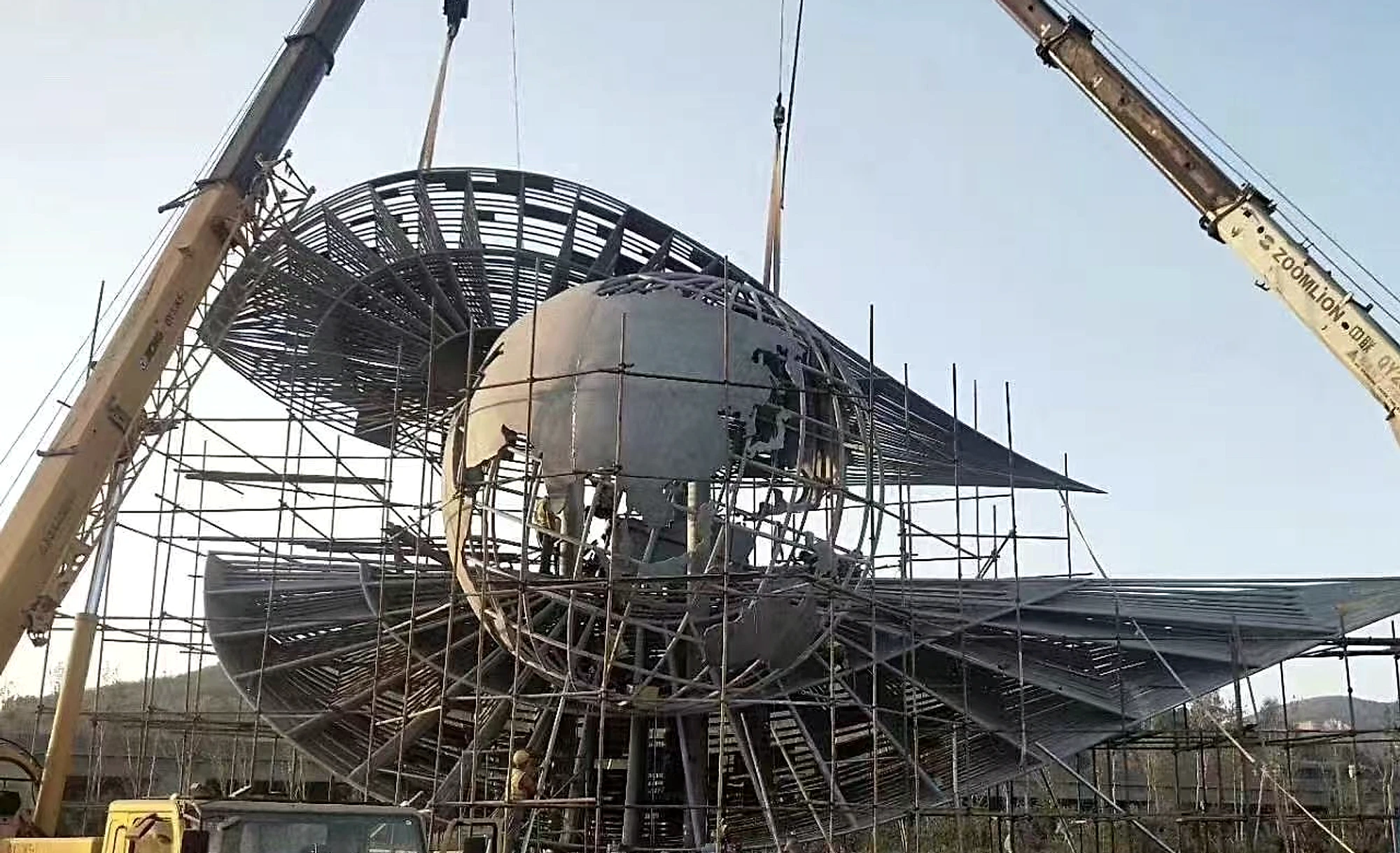
For overseas sculpture projects, export packing is not a back-office detail. It protects the finish, controls container use, keeps parts identifiable and gives the receiving team a realistic path from crate opening to final installation.
This checklist is written for hotel owners, resort developers, architects, landscape designers and public-space buyers who need large outdoor sculpture to move from workshop to overseas site with fewer surprises. It focuses on practical review points, not generic shipping promises.
Pack the real segments
Confirm split lines, part size, weight, lifting point and crate logic before production is closed.
Protect visible surfaces
Match padding, wrapping and handling zones to brushed steel, mirror steel, bronze, stone or hybrid finishes.
Receive without guessing
Use labels, drawings, photos and loading sequence so the local team can identify parts quickly on site.
1. Start packing review while segmentation is still flexible
A large sculpture should not be divided only according to what is convenient in the workshop. The split lines also decide crate volume, container use, lifting access, surface protection and the amount of visible work that may happen after arrival. For stainless steel wings, long arcs, curved skins and stone-metal assemblies, packing decisions can change the entire delivery route.
Before quotation approval, ask how the sculpture will be separated, which parts are most fragile, which surfaces cannot be touched, and whether any components need temporary frames for transport. When this discussion happens early, the artwork can remain visually clean while still being possible to ship and install.

2. Ask for a packing plan, not just a shipping price
A serious packing plan should show the number of crates, approximate crate sizes, component list, protection method, loading sequence and any oversized cargo assumptions. For high-value outdoor sculpture, the buyer should also ask for crate labels, part marks and photo records after packing is complete.
If the sculpture supplier cannot explain how pieces will be found, lifted and reassembled after arrival, the buyer may save very little by accepting a lower shipping estimate. The cost of confusion usually appears later: delayed crane time, finish damage, missing parts, extra touch-up or a local crew trying to interpret the form without enough records.
3. Protect the finish according to material, not habit
Brushed stainless steel, mirror stainless steel, bronze patina, stone edges and painted steel do not tolerate the same packing method. Straps, foam, timber contact points and plastic wrapping should be chosen around the visible surface and the local climate. Humidity, coastal air and long storage time can all affect how surfaces should be protected.
For reflective sculpture, surface direction and scratch risk matter. For bronze or patinated surfaces, contact staining and rubbing can be a problem. For stone or hybrid work, edges and base contact need special attention. Buyers should ask what surface can be touched, where the lifting sling can sit and what must be cleaned or inspected after unpacking.
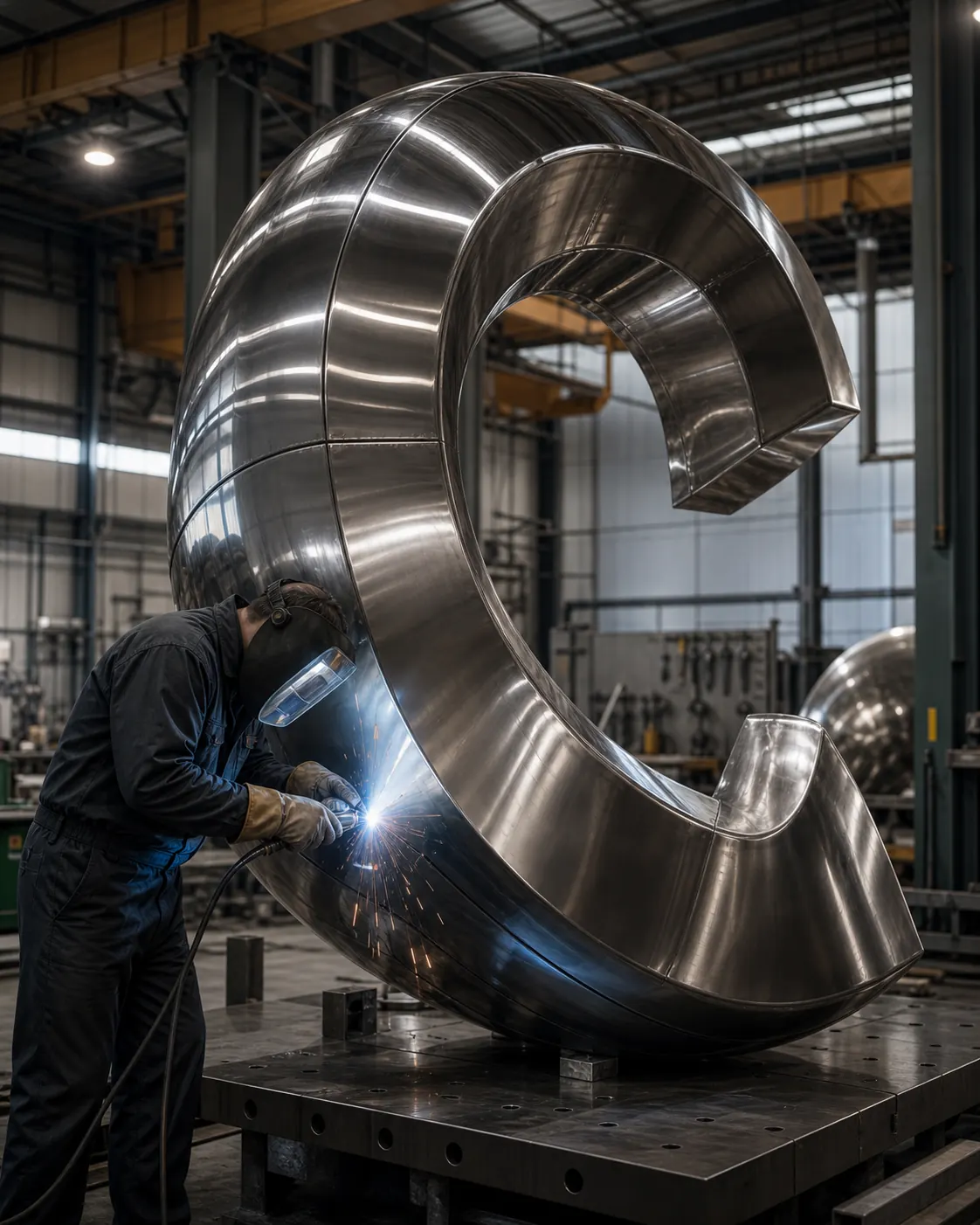
4. Make crate labels and component marks useful to the site team
Labels should be easy to match with drawings and installation notes. A good record usually includes crate number, component code, orientation, weight or handling warning, lifting point and the related drawing sheet. For repeated parts such as stainless steel slats, ribs or panels, small differences can become large alignment problems if the receiving team cannot identify each piece correctly.
Photos are important because they bridge the workshop and site. Ask for photos of visible condition before wrapping, protection layers, crate labels, loaded crates and container loading where possible. These images are not marketing decoration; they help the receiving team check damage, confirm sequence and understand how the artwork was meant to be handled.
5. Confirm container loading and site receiving before shipment
Container loading should respect the installation sequence. Parts needed first should not be unreachable behind later-stage components unless the receiving team knows the plan. Heavy crates should be arranged around lifting safety, and finished surfaces should not carry unplanned pressure during transport.
The receiving site should also be ready before shipment leaves the factory. Confirm unloading area, forklift or crane access, temporary storage, weather protection, foundation readiness, customs documents and the person responsible for checking crates on arrival. For public spaces and hotels, the sculpture may arrive during a busy construction phase, so the receiving route must be practical rather than assumed.
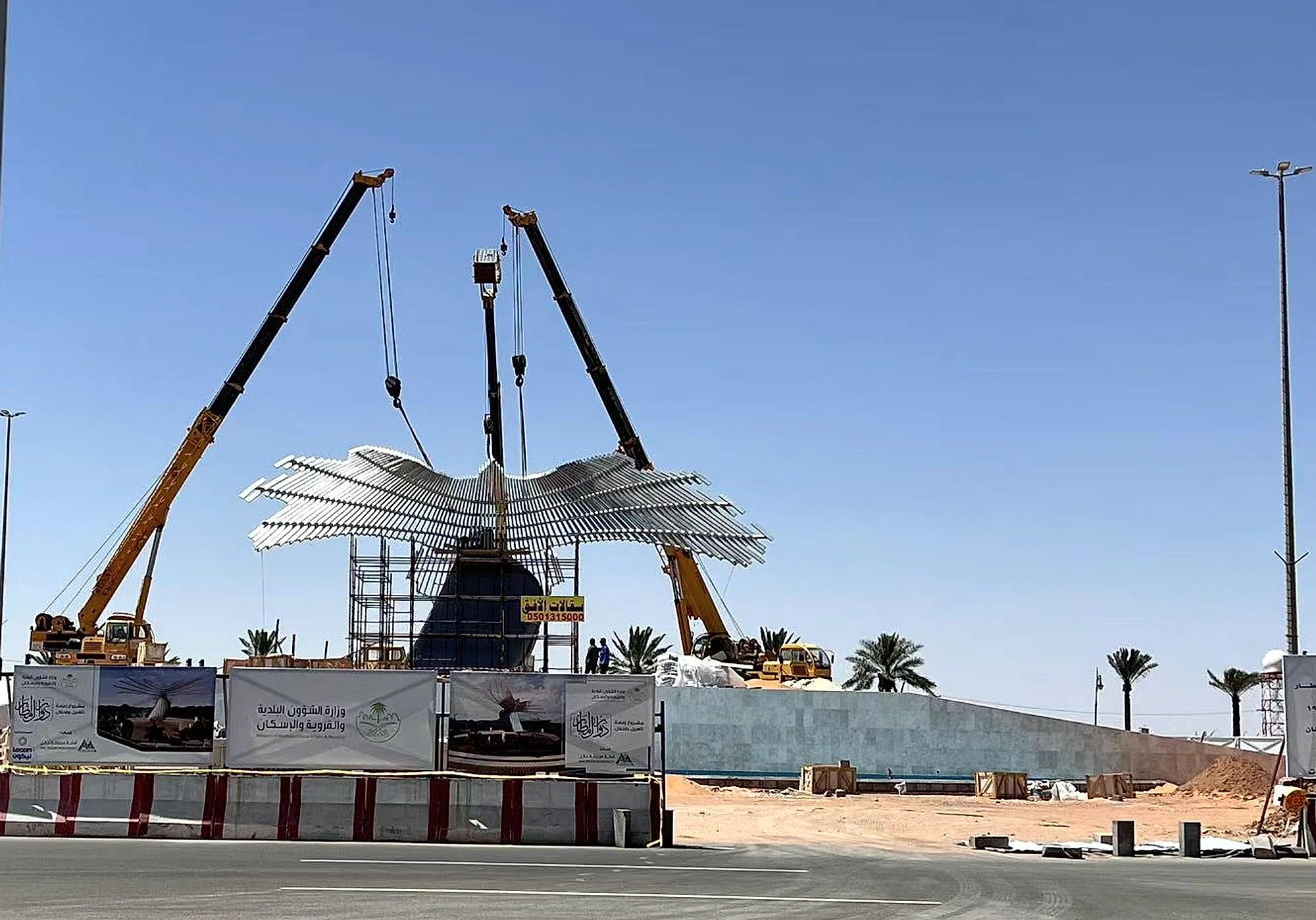
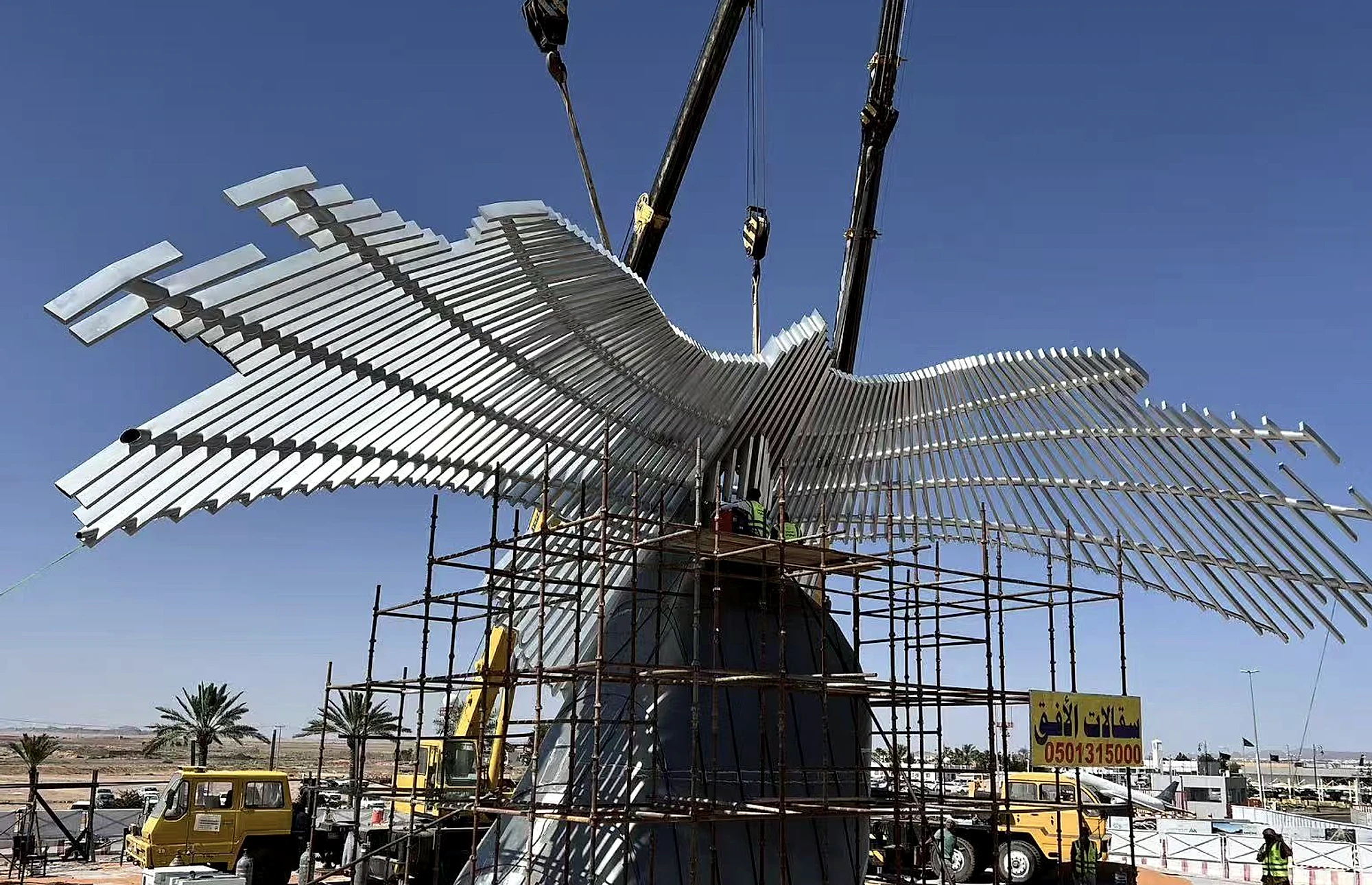
6. The export packing checklist buyers should request
Before approving shipment, ask the supplier to provide a clear record. The exact format can vary by project, but these items make overseas delivery easier to verify.
- Final segment list with component codes, dimensions and approximate weights.
- Crate list with crate numbers, contents, handling notes and opening sequence.
- Surface protection method for brushed steel, mirror steel, bronze, stone or hybrid finishes.
- Photo record before wrapping, during protection, after crating and during loading where available.
- Container or truck loading sequence aligned with the expected installation sequence.
- Commercial invoice, packing list, destination details and any project-specific export documents.
- Site receiving checklist for unloading area, storage, lifting equipment and responsible contact.
- Damage inspection and unpacking protocol before local installation begins.
For production readiness, read the large stainless steel sculpture fabrication checklist. For receiving and assembly planning, see the overseas sculpture installation checklist.
Frequently asked packing questions
What should buyers review before a large sculpture is packed for export?
Buyers should review the segment list, crate plan, surface protection, part marking, container loading sequence, documents, receiving access and local installation responsibility before shipment.
Why does segmentation affect export packing cost?
Segmentation affects crate size, container use, lifting points, surface protection, reassembly time and the amount of site touch-up required after shipping.
Should buyers ask for packing photos?
Yes. Packing photos, crate labels, component marks and loading records help the buyer and receiving team verify that large sculpture parts can be identified, protected and installed without guessing.
Are the images in this guide packing photos?
No. The images are used as verified construction-phase, workshop or engineering evidence to explain why packing decisions matter. Buyers should request project-specific packing photos before shipment.
Prepare an export-ready sculpture brief
Send drawings, site photos, approximate scale, material direction, destination country, installation date and local receiving conditions. WEIERYANG can review fabrication, packing and overseas installation logic before production is locked.