Mirror Stainless Steel Sculpture in Hotel Lobbies: Finish, Light and Maintenance
Specify mirror stainless steel as a controlled finish system, not a one-line material label. Approve the grade, sample size, reflection quality, seam positions, acceptable distortion, edge treatment, cleaning method, protection and repair process before fabrication is released.
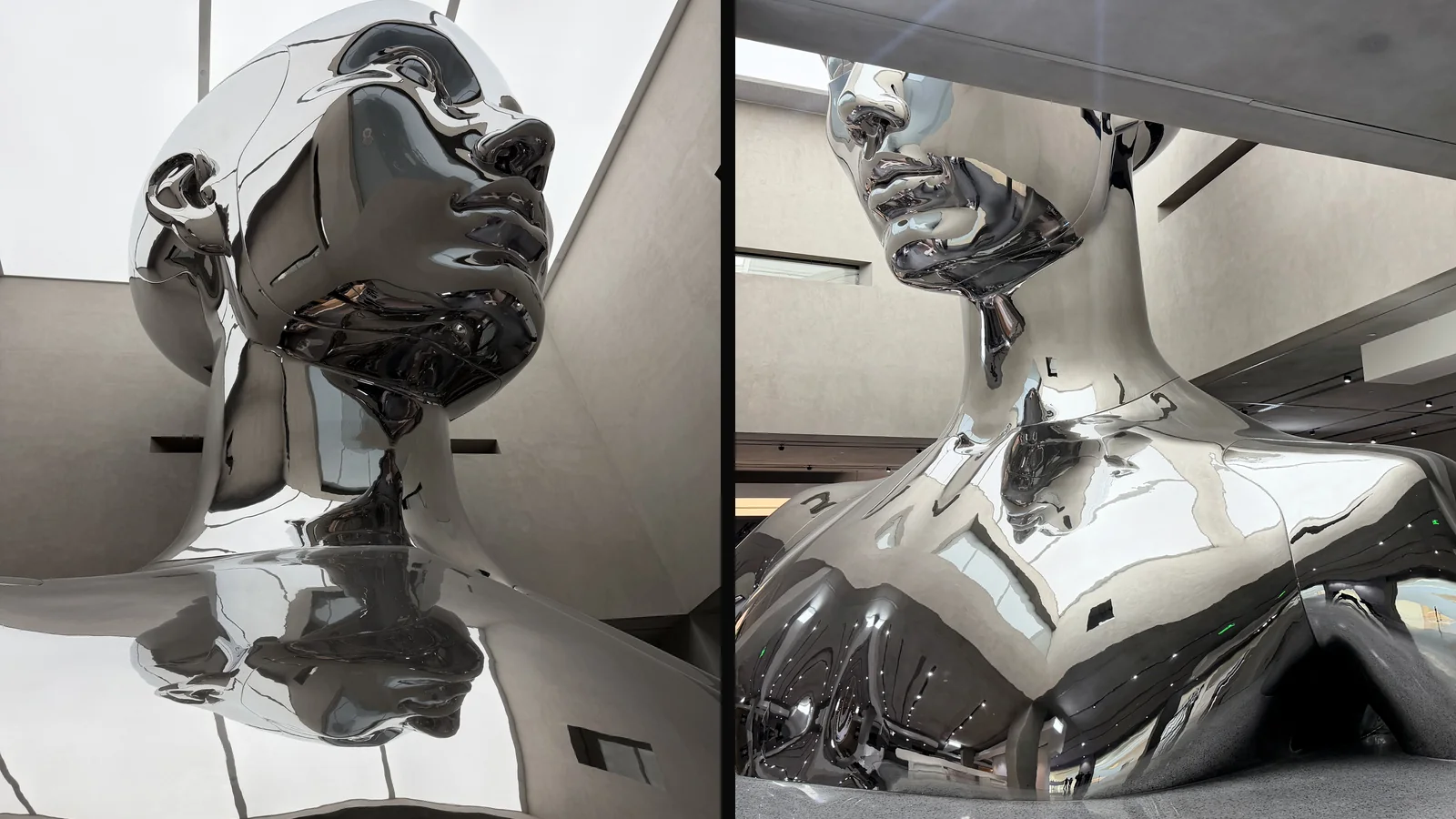
Mirror-polished stainless steel can make a hotel lobby sculpture feel lighter, more spatial and more responsive to guests. It also exposes weak panel geometry, uncontrolled weld finishing, reflected clutter, fingerprints and poor protection more quickly than many textured finishes.
This guide is for hotel owners, interior designers, architects, art consultants, contractors and facilities teams reviewing a mirror stainless steel sculpture during renovation. It explains the decisions that belong in the finish specification, design review, workshop inspection and handover record. It does not replace project-specific structural, fire, accessibility or local-code review.
What must be approved before production?
Do not approve from a rendering alone. Confirm a physical finish sample and a written acceptance basis that covers both appearance and hotel operations.
- Stainless grade and any project-required material documentation.
- Mirror quality, colour neutrality and acceptable optical distortion.
- Panel layout, seam locations, weld finishing and edge treatment.
- Relationship to lobby lighting, glazing and dominant sightlines.
- Guest-touch zones, fingerprint expectations and cleaning method.
- Protection through packing, installation, fit-out and opening.
- Repair limits, spare sample and final handover photographs.
- Responsibility for final inspection and acceptance on site.
1. Write a finish specification that can be inspected
“Mirror stainless steel” describes an intention, not a complete acceptance standard. Curved sculpture is assembled from formed pieces, and the reflected image will bend with the geometry. Some distortion is inherent to the form; uncontrolled rippling, visible weld ghosts or inconsistent polish are different issues. The project team should define what it expects to see, from which distances and under which lighting.
Use a physical sample large enough to show the proposed metal, polish, seams or decorative inlays. Review it beside representative stone, timber, glass and lighting where possible. A small loose coupon can confirm colour and polish direction, but it cannot demonstrate how a large curved panel reflects the lobby.
| Finish item | What to record | Why it changes the result |
|---|---|---|
| Material basis | Grade, sheet route, visible and concealed applications, and required documentation. | Environmental exposure, fabrication route and quotation assumptions must refer to the same material. |
| Reflection quality | Approved sample, acceptable local distortion, colour neutrality and viewing distance. | “Perfect mirror” is not a measurable instruction on a compound curve. |
| Panel and seam strategy | Panel boundaries, weld locations, intentional joints, inset lines and access points. | Geometry and polish quality depend on where the form is divided and closed. |
| Edges and touch points | Radius, transition, guest-accessible zones, base interface and service openings. | Close-contact areas need safe detailing and realistic maintenance access. |
| Protection and repair | Protective layers, removal stage, permitted touch-up and rejection route. | A finish approved in the workshop can be damaged during packing or fit-out. |
2. Review the reflected lobby, not only the sculpture
A mirror sculpture visually contains the room around it. Ceiling grids, downlights, window mullions, reception queues, signage and service doors become part of the artwork. This can expand the sense of space, but it can also amplify clutter or create concentrated highlights. Review the sculpture from the guest's approach, reception wait, lift lobby, upper level and lounge rather than from one presentation view.
Ask the lighting designer to test reflected hot spots, not only illumination levels on the object. Linear lights may reveal panel waviness; tight beams can create small high-intensity highlights; large luminous ceilings may produce broader, calmer reflections. Daylight changes by hour and season, so a glazing-side position should be checked for both the intended visual effect and guest comfort.
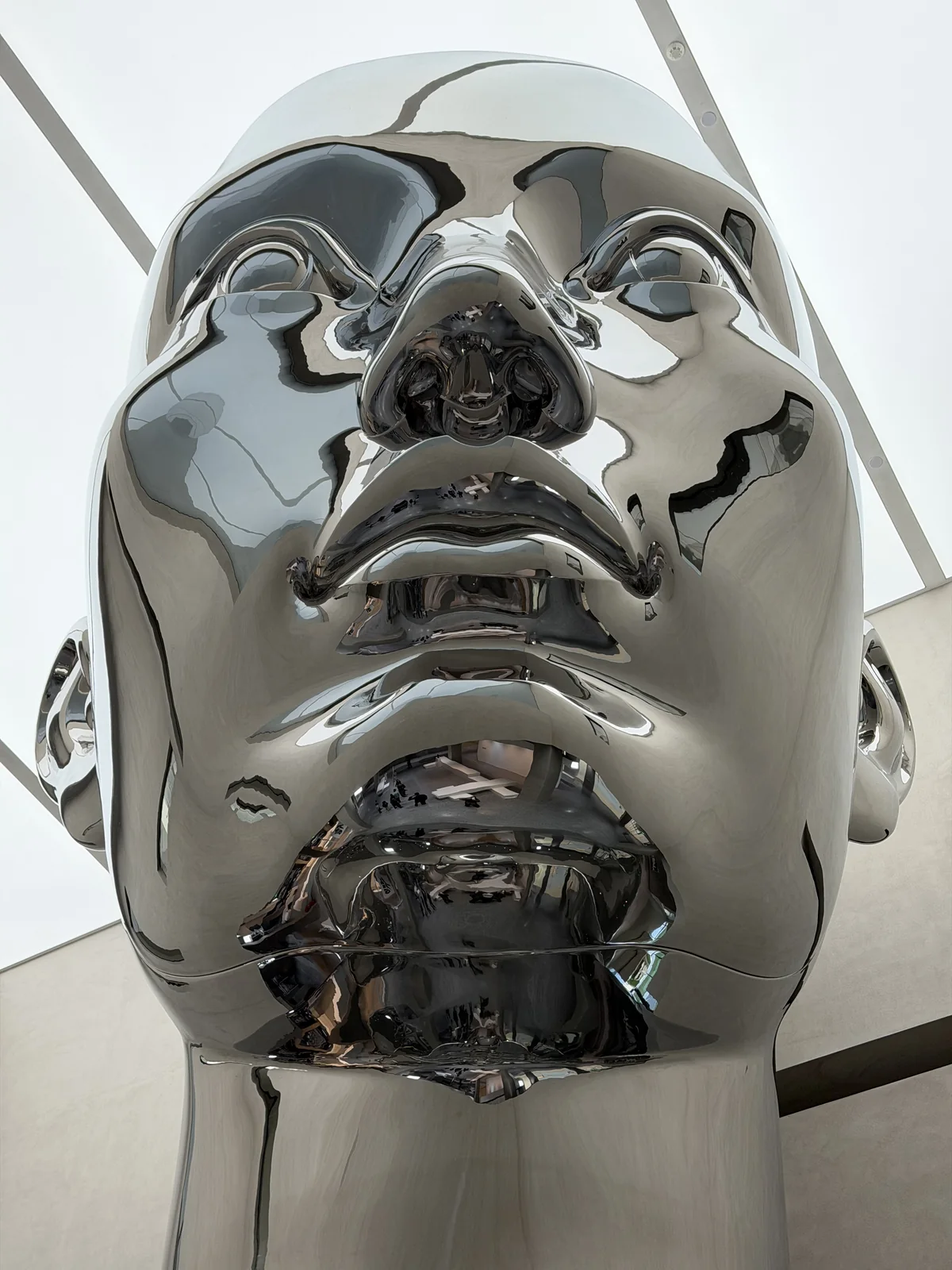
3. Inspect panel geometry, weld finishing and decorative boundaries
The finish is created by the full fabrication sequence: forming, fitting, welding, grinding, progressive polishing and final cleaning. A high gloss applied over weak geometry does not hide the problem; it usually makes it easier to see. Workshop inspection should therefore look at silhouette and surface continuity together.
Move around the work instead of inspecting from one fixed position. Use long reflected lines or a controlled light source to reveal abrupt changes. Check weld areas, panel transitions, concave zones, tight radii, ears or fingers, the underside, the back and the base. Decorative inlays or contrasting lines require their own tolerance for width, depth, colour continuity and clean junctions.
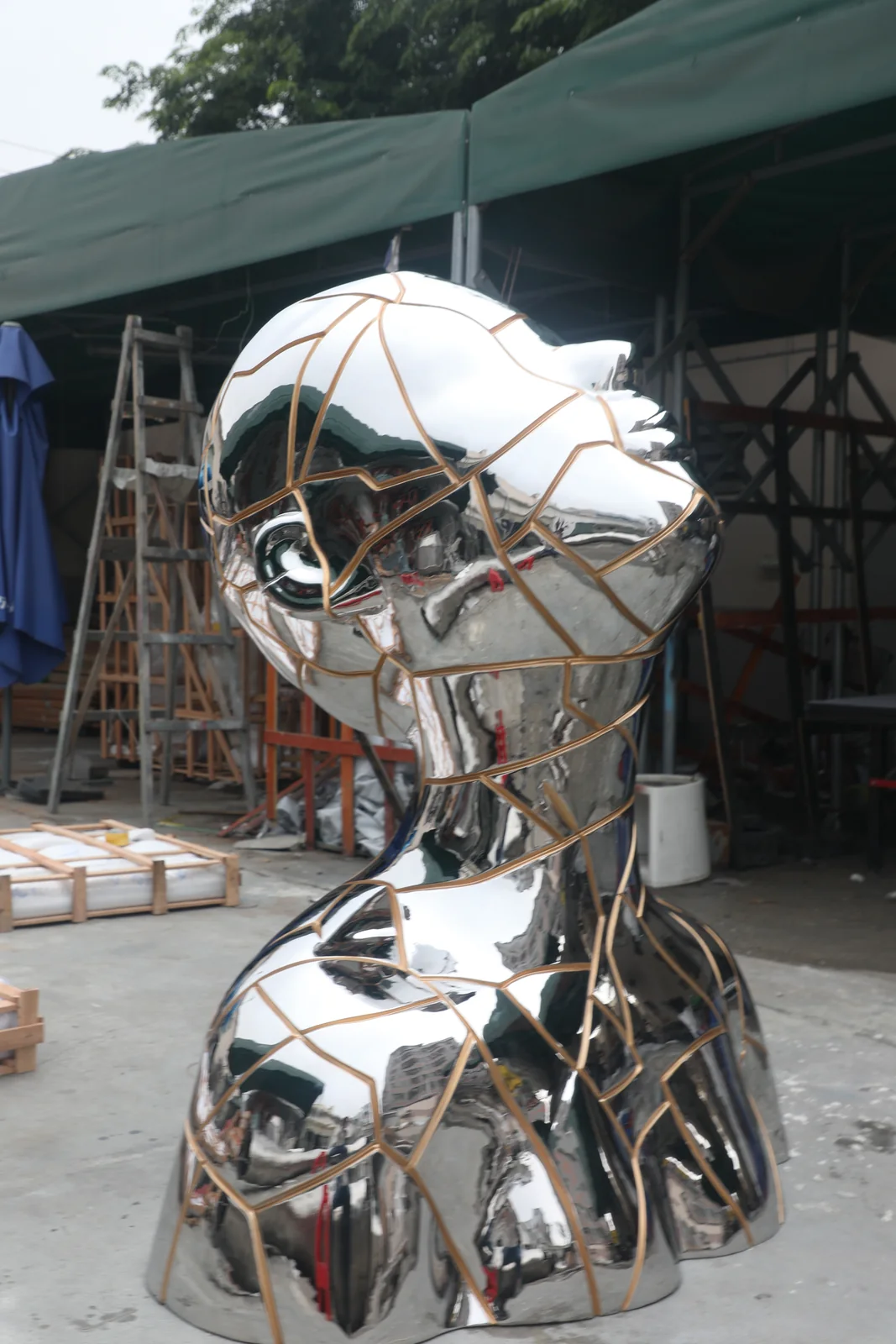
| Inspection view | Look for | Record |
|---|---|---|
| Silhouette | Unintended flat areas, bumps, asymmetry or transitions that weaken the approved form. | Overall photographs from agreed angles and distance. |
| Reflected line | Sudden ripples, weld ghosts, local dents and inconsistent polishing. | Close views with the light source and viewing position identified. |
| Seam or inlay | Width variation, colour change, misalignment, rough junctions and trapped residue. | Approved detail sample and representative production details. |
| Less visible faces | Unfinished rear zones, sharp transitions, drainage or inaccessible service points. | Rear, underside, base and access-panel photographs. |
4. Select stainless grade from the actual hotel environment
An air-conditioned inland lobby and a coastal entrance vestibule do not present the same exposure. Pool and spa zones add humidity and chemical considerations. Open doors may bring salt, dust or traffic pollution into an otherwise interior space. Grade selection should follow the actual environment, detailing, cleaning regime and project requirements rather than a universal rule.
For a broader comparison, read the 304 vs 316L stainless steel guide. The project specification should also distinguish the visible skin, internal structure, fasteners and any dissimilar metals. Local consultants and the material supplier should review unusual humidity, pool chemistry, coastal exposure or regulated documentation requirements.
| Lobby condition | Questions to resolve | Do not assume |
|---|---|---|
| Dry conditioned interior | Guest touch, fingerprints, cleaning chemicals, base detailing and fit-out protection. | Interior location removes the need for a maintenance plan. |
| Entrance near frequently open doors | Rain carry-in, salt or dust, floor cleaning, luggage impact and temperature change. | The entrance behaves like a sealed interior zone. |
| Pool, spa or water-feature adjacency | Humidity, splash, treatment chemicals, drainage, ventilation and inaccessible crevices. | A mirror finish alone determines corrosion performance. |
| Coastal hospitality property | Airborne salts, cleaning frequency, sheltered deposits and material compatibility. | One grade and one cleaning interval suit every coastal condition. |
5. Design for guest touch, housekeeping and repair
Mirror surfaces record contact. If the artwork sits beside a reception queue, lounge path or photo point, fingerprints may be part of daily operations. Decide whether guests may touch the sculpture, where barriers or planting are appropriate, and which surfaces housekeeping can reach safely. Do not leave access, chemicals and cloth type to be improvised after opening.
The handover method should identify compatible cleaning products, test areas, wiping direction where relevant, prohibited abrasives and the process for reporting scratches or dents. Repairs on a highly reflective curved surface can be more visible than the original mark if the method and polish sequence are not controlled. Keep an approved sample and finish record for future comparison.
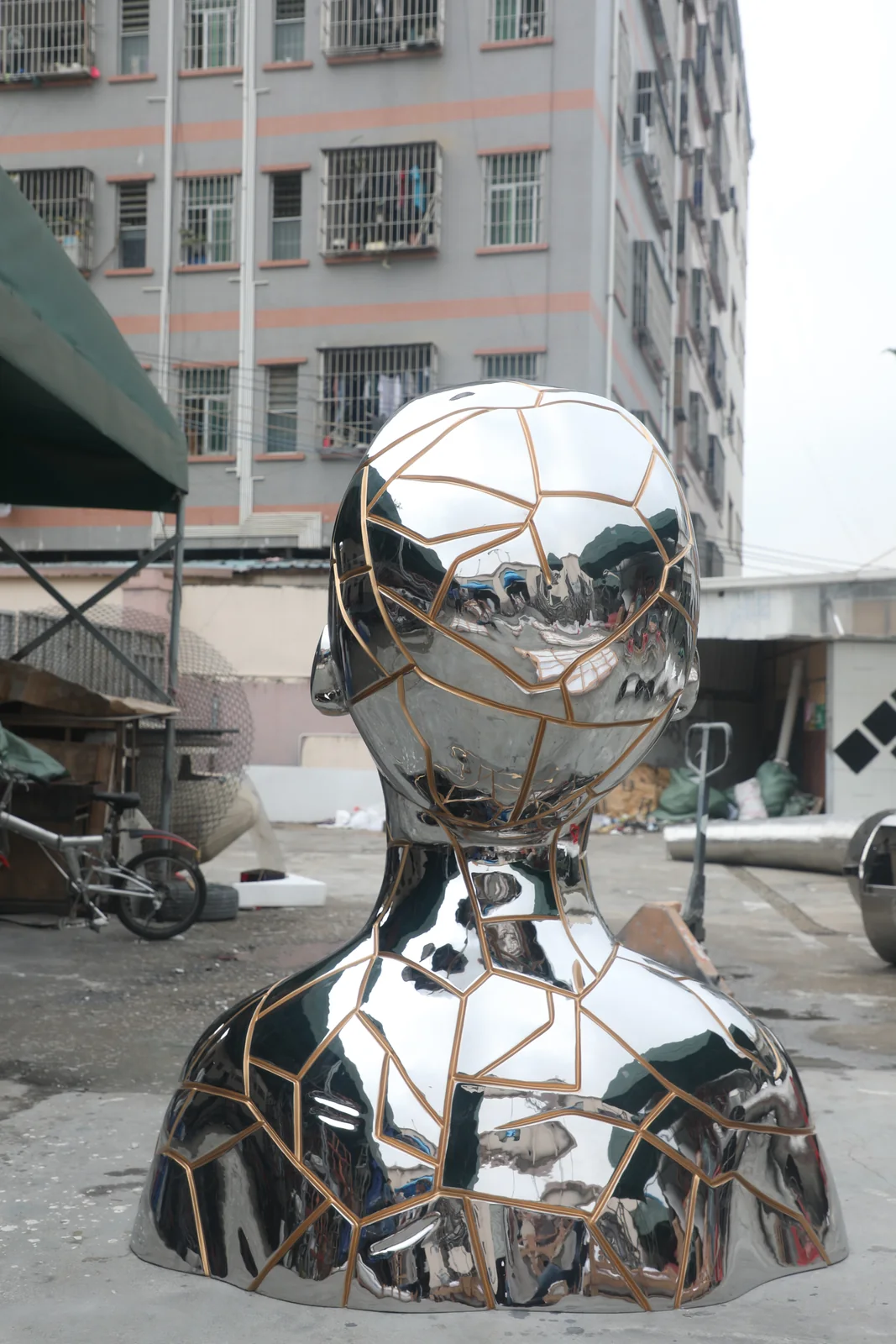
6. Protect the finish through renovation and installation
Hotel renovation sites contain dust, cutting debris, paint, sealants, tools, trolleys and overlapping trades. A mirror sculpture installed too early can become a protected obstacle that still accumulates damage. Coordinate delivery with final access, heavy work, floor completion, cleaning and commissioning rather than selecting an installation date in isolation.
Define who supplies the protective film or soft wrap, which materials may touch the polished surface, how moisture is avoided, who may remove protection and when final inspection occurs. Packing should prevent metal-to-metal contact and point loading. On site, lifting equipment, slings and gloves must be clean and compatible with the approved method. Photograph the work at unpacking, positioning, protection removal and handover.
7. Use a finish approval and handover checklist
A useful record separates workshop approval from site acceptance. Workshop approval confirms the fabricated object before packing; site acceptance records transport, installation and final cleaning. Both should refer back to the same approved sample and written finish criteria.
- Approved finish sample photographed, labelled and retained.
- Material grade and finish description match the quotation and drawings.
- Key sightlines and lighting conditions are agreed before final inspection.
- Silhouette, panel transitions, weld areas and reflected lines are reviewed.
- Inset lines, intentional joints, openings and removable panels are checked.
- Back, underside, base, guest-touch zones and service access are documented.
- Packing and protection method is approved before the finish leaves the workshop.
- Arrival condition is recorded before unpacking and after positioning.
- Cleaning products, cloths, access method and prohibited actions are handed over.
- Final photographs identify accepted condition and any agreed rectification.
How this guide fits the hotel sculpture cluster
This page focuses on the finish package. Use the hotel lobby sculpture renovation guide for placement, interfaces and installation route; the stainless steel, bronze and stone comparison for broader material direction; and the quotation scope checklist when comparing supplier deliverables.
Mirror stainless steel lobby sculpture questions
Does mirror stainless steel always show distortion?
Curved sculpture intentionally bends reflected images, and some optical movement follows the geometry. The team should distinguish intended curvature from local rippling, dents, weld ghosts or inconsistent polishing and agree how the surface will be inspected.
Should a hotel choose 304 or 316L stainless steel indoors?
The answer depends on the actual environment, including coastal air, open entrances, pool or spa humidity, cleaning chemicals, detailing and project requirements. Do not select solely from the word “indoor”; document the exposure and obtain project-specific material review.
How large should a finish sample be?
It should be large enough to demonstrate the proposed metal, polish, seam or decorative detail. A small coupon can confirm colour and polish direction, but a formed or representative sample may be required to judge reflection and distortion on curved work.
Can scratches be repaired invisibly on site?
Not always. Local repair may change the reflected surface or create a visible polish transition. Agree the repair limits, method, responsible party and acceptance route before installation, and test any method away from the main viewing face.
When should the protective film be removed?
Removal should be coordinated with installation, final cleaning and the end of damaging fit-out work. Leaving unsuitable protection too long can also create residue or trapped moisture, so the supplier's approved method and timing should be recorded.
Are the images completed hotel projects?
No hotel attribution is made. They are recent supplied commercial-interior and workshop references used to explain real finish, reflection and inspection conditions without claiming a completed WEIERYANG hotel commission.
Review a mirror stainless steel sculpture brief
Send the lobby photographs, intended location, dominant viewing angles, lighting concept, material environment, touch expectation, target finish, delivery route and programme. WEIERYANG can review the finish route together with fabrication, protection, packing and installation boundaries.